
The Minimum Payment Is Not Your Friend
Credit card minimum payments are calculated to maximise interest revenue for the bank not to help you pay off debt. A $10,000 balance with minimum payments only can take over 15 years to clear, costing more than $15,000 in interest which means you'd pay more than double the original amount borrowed.
When using our calculator compare minimum only payments against fixed higher amounts. Even increasing from $200 to $400 monthly can cut payoff time by 70% and save thousands in interest.


The True Cost of Minimum Payments
| Minimum Only ($200) | $400 per month | $600 per month | $1,000 per month | |
|---|---|---|---|---|
| $5,000 | 32 months = $1,400 interest | 14 months = $580 interest | 9 months = $370 interest | 5 months = $210 interest |
| $10,000 | 94 months = $8,800 interest | 31 months = $2,400 interest | 19 months = $1,400 interest | 11 months = $780 interest |
| $20,000 | 180+ months = $26,000+ interest | 76 months = $10,400 interest | 43 months = $5,800 interest | 23 months = $3,000 interest |
Alternatives to High Credit Card Interest
| Option | Interest Rate | Best For |
|---|---|---|
| Balance Transfer | 0% for 6 to 12 months (promotional) | Debt that can be cleared within promo period |
| Personal Loan | 5% to 12% EIR | Debt requiring 1 to 5 years to clear |
| Debt Consolidation Plan | 6% to 11% EIR | Debt exceeding 12x monthly income; MAS-regulated |
Interest Rate Trends
Research updated on 8 Sep 2026 - September is when many Singaporeans start feeling the pinch from August holiday spending and mid-year sale purchases on their credit cards. Credit card repayment solutions are seeing increased interest as borrowers look to manage revolving balances more effectively.
Bank balance transfer programmes and Debt Consolidation Plans are still offering lower effective rates compared to maintaining high-interest card balances. Licensed moneylenders provide an alternative for borrowers who need faster access to funds to clear card dues but do not qualify for bank programmes.
The rates and structures have not changed since August. The key difference in September is the seasonal increase in borrowers seeking to restructure card debt after heavier spending in July and August.
Licensed moneylenders in September 2026 continue to offer unsecured loans that borrowers can use to pay off credit card balances. Rates remain around 3.8% per month with the standard regulatory caps on fees and interest.
For borrowers facing high-interest card debt who do not qualify for bank balance transfers or DCPs, a moneylender loan can provide a way to clear the card balance and move to a fixed repayment schedule. However, the monthly interest is significantly higher than most bank alternatives.
Approval depends on current income, MLCB records and repayment capacity. You can apply online but must complete the process in person. If you are using a moneylender loan to clear cards, make sure the new repayment amount is actually lower than your current minimum card payments otherwise you are not solving the problem.
Banks continue to offer the most cost-effective credit card repayment solutions in Singapore. As of September 2026, balance transfer programmes and Debt Consolidation Plans remain the main tools for managing high-interest card debt.
Balance transfers allow borrowers to move existing card balances to a new card or loan with a lower promotional rate, sometimes as low as 0% for an initial period. However, processing fees and post-promotion rates need careful review.
For borrowers with larger total card debt exceeding 12 times monthly income, DCPs offer a more structured approach with fixed monthly instalments and lower effective rates. Both options require decent credit scores and involve approval timelines of several business days. They are not suitable for borrowers needing immediate cash to meet a card payment deadline today.
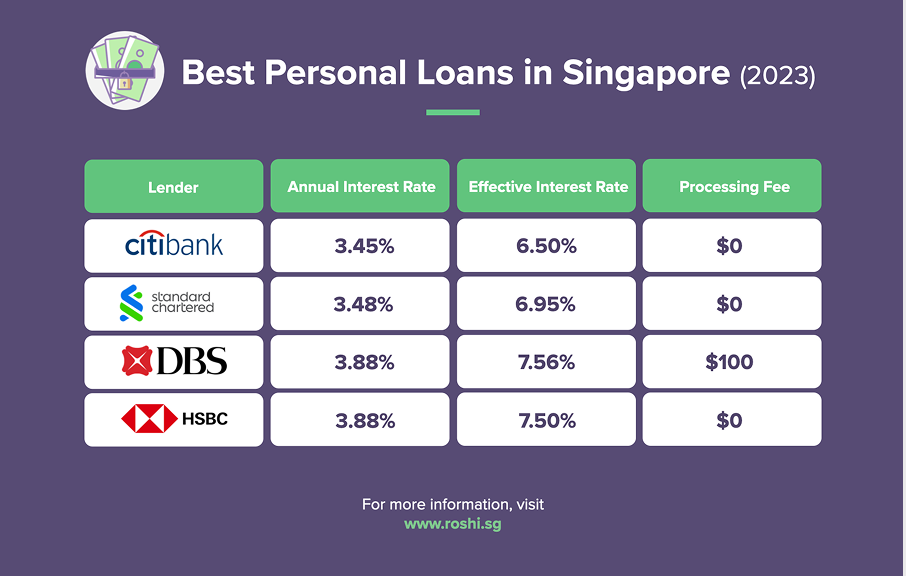
Credit card interest in Singapore remains at 25-28% p.a. in September 2026 while bank balance transfer and personal loan rates have dropped to 0.90% to 1.48% p.a. If you are carrying revolving balances you are paying roughly 20 times more in interest than you need to.
Standard Chartered is running a CashOne promotion until 30 September 2026 and DBS is offering cashback incentives for personal loan applications this month. These are ideal tools to extinguish high-interest card debt.
Transfer the balance cut up the physical cards if you have to and commit to the fixed instalment plan. Do not consolidate and then run the cards back up or you will end up with both the loan and fresh card debt by Trinh Thanh.
For borrowers managing credit card debt in September 2026, the priority is to stop the balance from growing. Minimum payments on high-interest cards mostly cover interest rather than principal, which means your debt can stay flat or even increase despite monthly payments.
Bank balance transfers and DCPs are the most cost-effective restructuring tools for qualified borrowers. They convert revolving high-interest debt into fixed lower-rate repayments. If you do not qualify for bank options, a licensed moneylender loan can provide temporary relief but at a higher cost.
The most important step is to stop adding new charges to the cards you are trying to pay off. A consolidation plan only works if you change the spending behaviour that created the debt in the first place.


![Can’t Pay Back Your Credit Card Debt? Definitive Singapore Guide [Updated 2026]](https://stg.roshi.sg/wp-content/themes/roshi/images/insights/paying-off-your-credit-card-debt-guide.png)