

Is a Small Cash Loan Right for You?
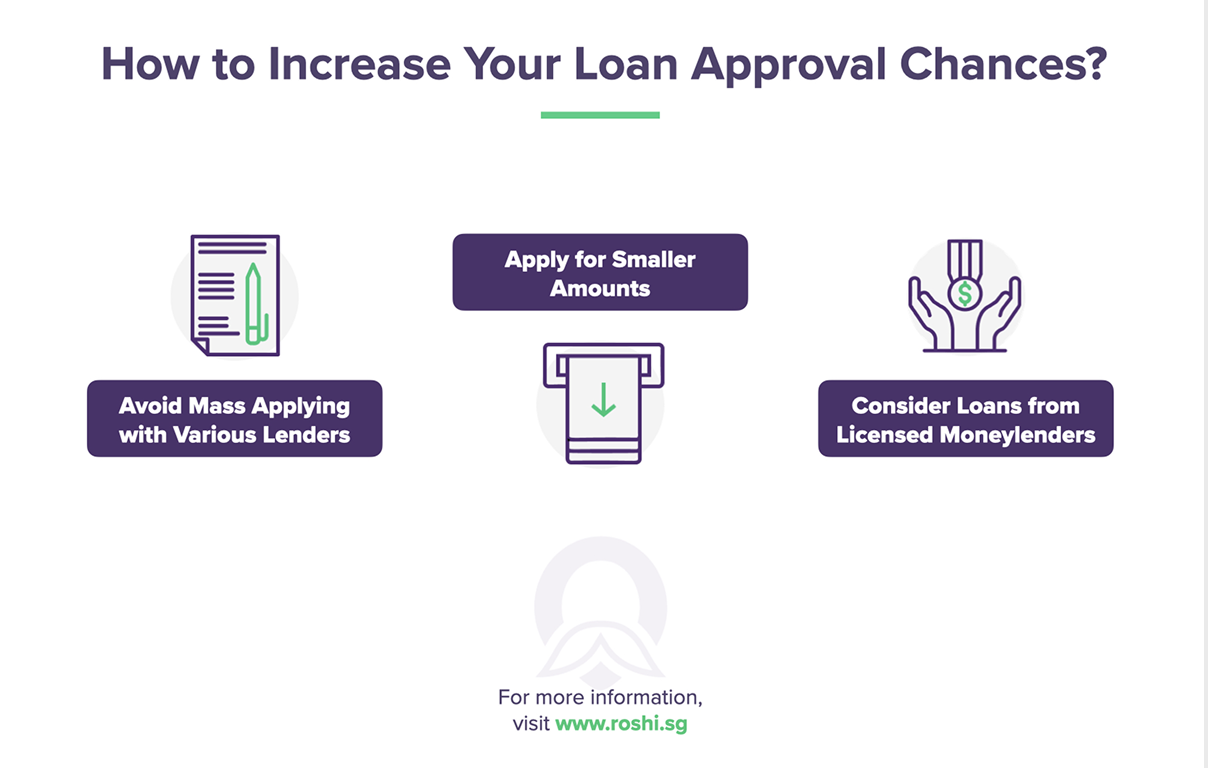
If you only need a few hundred dollars, borrowing a smaller amount is almost always better than borrowing more.
A $500 loan at maximum interest costs about $70 in fees and interest over one month. A $2,000 loan? That's $280. If you only needed $500, you'd have paid $210 extra for nothing.
My advice, calculate exactly what you need, add a small buffer if necessary and borrow the exact amount. 

Tips for Borrowing Smaller Amounts
Loan Amount Overview
| If you need | Consider borrowing | Example use |
|---|---|---|
| Under $300 | $300 to $500 | Utility bill, groceries |
| $300 to $500 | $500 | Minor repair, small medical bill |
| $500 to $700 | $600 | Larger utility bills, small emergency |
| $700 to $900 | $800 | Minor car or appliance repair |
| $900+ | $1,000 or Personal Loan | Larger expenses |
Interest Rate Trends
Research updated on 8 Sep 2026 - September 2026 hasnt brought any surprises to Singapores lending market. The rules governing licensed moneylenders remain the same and rates are holding steady.
Small cash loans in the S$500 to S$800 range are still popular among borrowers who need a modest amount to cover daily expenses or a minor financial hiccup without committing to a large loan. These amounts are big enough to solve immediate problems like a broken appliance or a sudden medical prescription but small enough that repayment doesnt feel overwhelming. Compared to August, there is no noticeable shift in pricing or lender behaviour.
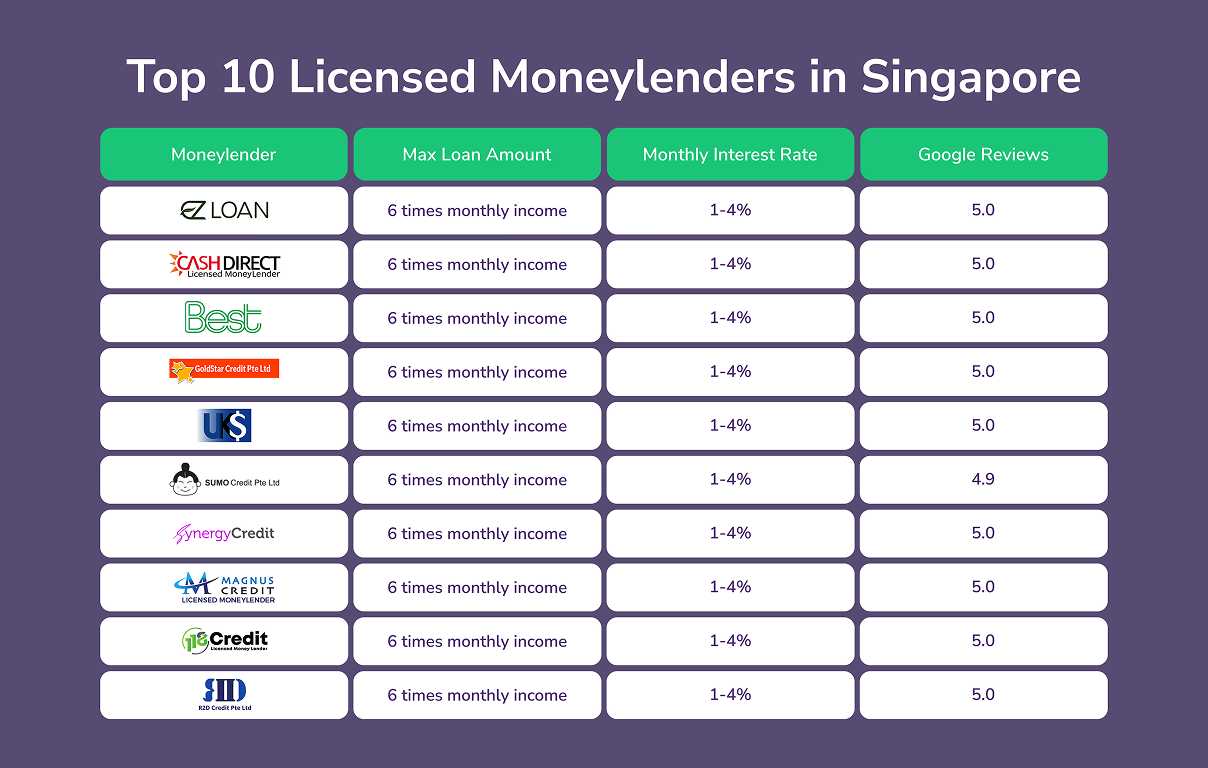
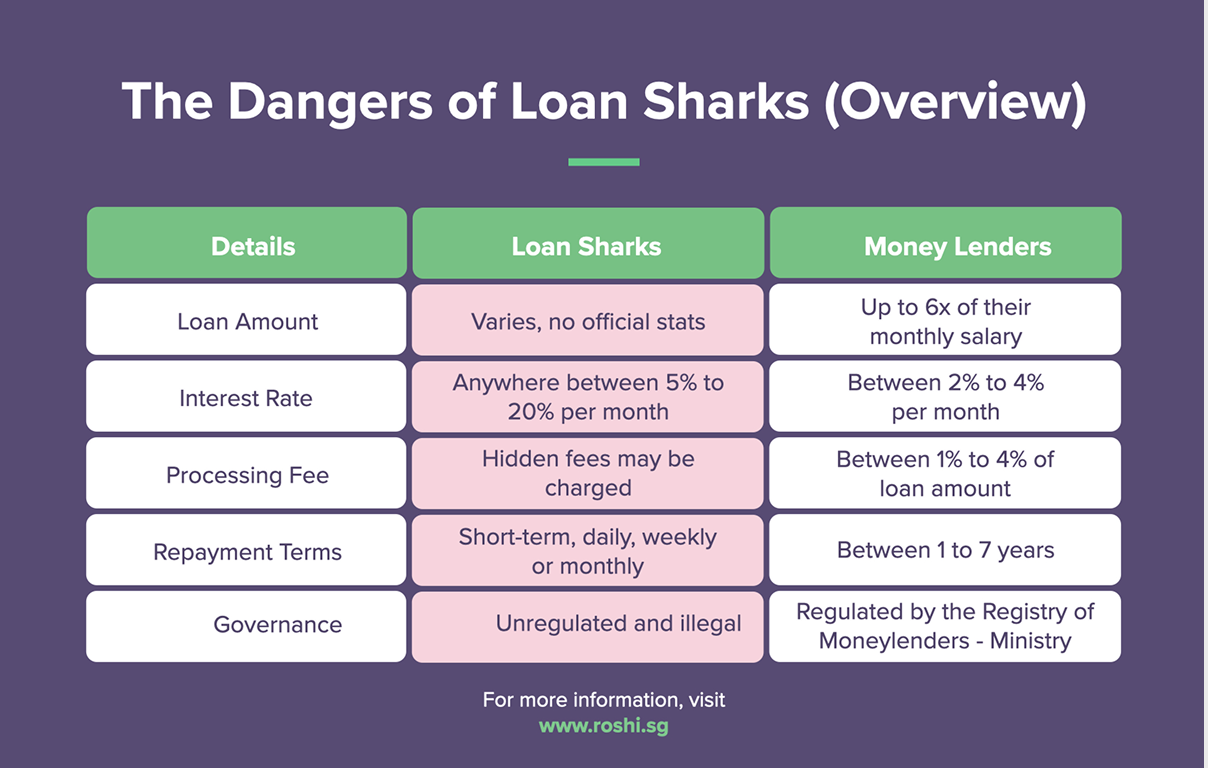
As of September 2026, licensed moneylenders are still charging roughly 3.8% per month for small cash loans. The legal maximum remains 4% per month with admin fees capped at 10% of the loan and late payment fees limited to S$60 per month.
Loans of S$500, S$600 or S$800 are commonly approved for borrowers who have stable income and a clean MLCB record. You can still apply online to save time but you must visit the lenders office to complete identity verfication and sign the agreement.
Once that is sorted, approvals for these smaller amounts usually come through within the same working day. The key is having your payslips and identification ready before you start.
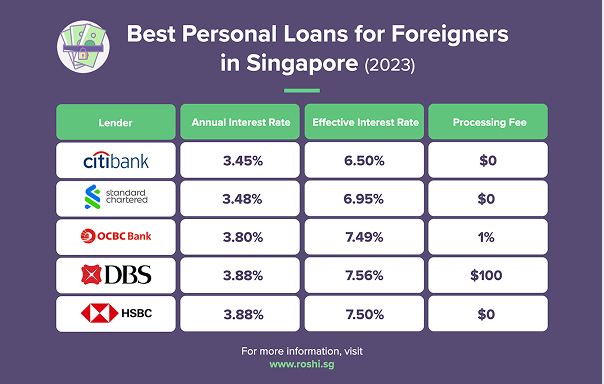
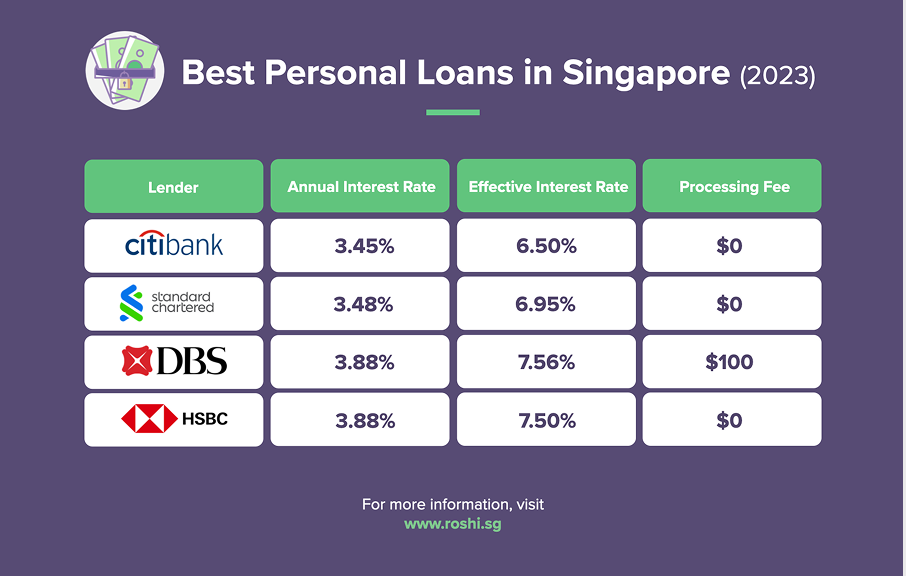
Banks typically do not focus on loans as small as S$500 to S$800. Their unsecured personal loans usually start from S$1,000 or higher and are designed with longer tenures in mind.
While a bank loan would cost less in interest over time, the application process is slower and the minimum loan amount may be more than you actually need.
For borrowers who only need a small cash top-up and want to clear it within a few months, licensed moneylenders offer a more practical fit even though the rate is higher. It is about matching the loan size to the actual need.
In September 2026 bank personal loans start from as low as 0.90% p.a. with EIR around 1.75% p.a. while licensed moneylenders charge around 3.8% monthly on amounts like S$500 to S$800. That is a significant spread.
If you need a small amount for a week or two a moneylender may still be faster but for anything beyond 30 days the bank route is far cheaper. Some banks like DBS and POSB are even running promotions until 30 September 2026 with cashback of up to S$900 on larger loans.
Before you sign calculate the total cost over your planned repayment period. If you can wait 2-3 business days for a bank approval you will keep more money in your pocket by Trinh Thanh.
For borrowers looking at S$500 to S$800 in September 2026, the message is simple. Licensed moneylenders can get you the money quickly on the same day after your in-person visit. The rates are regulated and transparent.
Just because the amount is small does not mean you should skip the planning stage. Check how much the monthly repayment will be including interest and fees, and make sure it fits into your budget without forcing you to cut essentials.
If you can repay early, do so. The less time you hold the loan, the less you pay in interest.