How to Use Our Calculator
You must have the following details:
The Math Behind it
For those curious about how our refinance calculator works, we use the following formula to calculate loan repayments:

- M = Monthly Refinance Payment
- P = Remaining Loan Balance
- i = Interest Rate per Month (Annual Rate ÷ 12
- n = Number of months or terms for your new loan
Benefits of Using a Mortgage Calculator
Calculating your monthly repayments is a crucial step in determining how much house you can afford. This is likely to account for the majority of your living expenses.
What Factors to Consider When Deciding to Refinance?
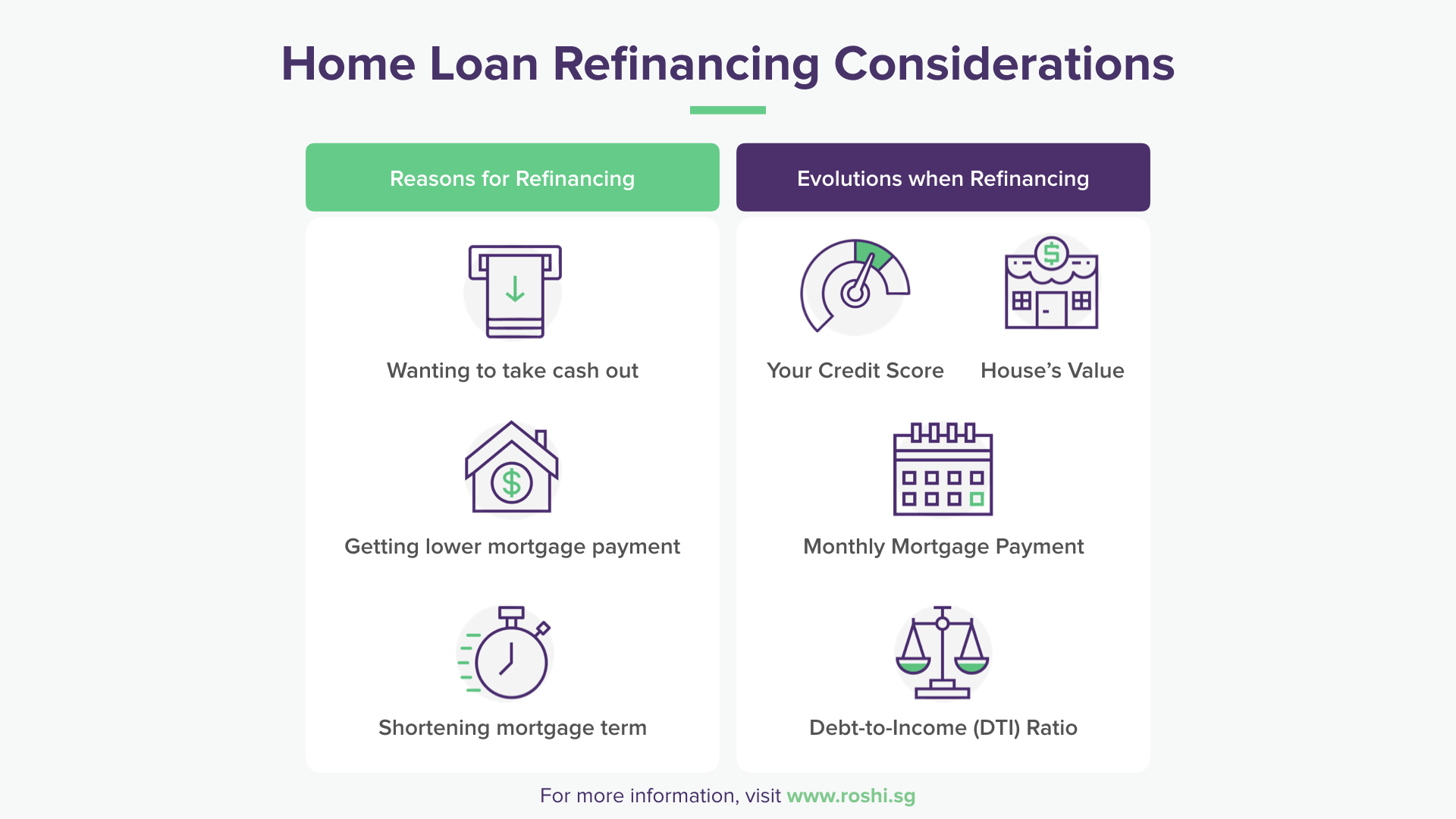
Lenders evaluate several factors before approving your refinance application. These include:
How to Lower Your Refinance Loan Payments?
Use the refinance calculator to test different scenarios to find ways to reduce your new monthly payments.
Possible Reasons Your Monthly Payment Might Increase After Refinancing
- If you opt for a shorter loan tenure, your payments may increase, but you’ll save on total interest.
- If interest rates rise, your new rate may be higher than your current one.
- If you roll closing costs into your loan balance, your overall loan amount may increase.
Get Started with ROSHI’s Refinance Calculator
Refinancing can help you save money, lower your monthly payments, or pay off your loan sooner. Use ROSHI’s refinance loan calculator today to explore the best refinancing options and maximize your financial benefits!
What is Loan Refinancing, and How Does It Work?
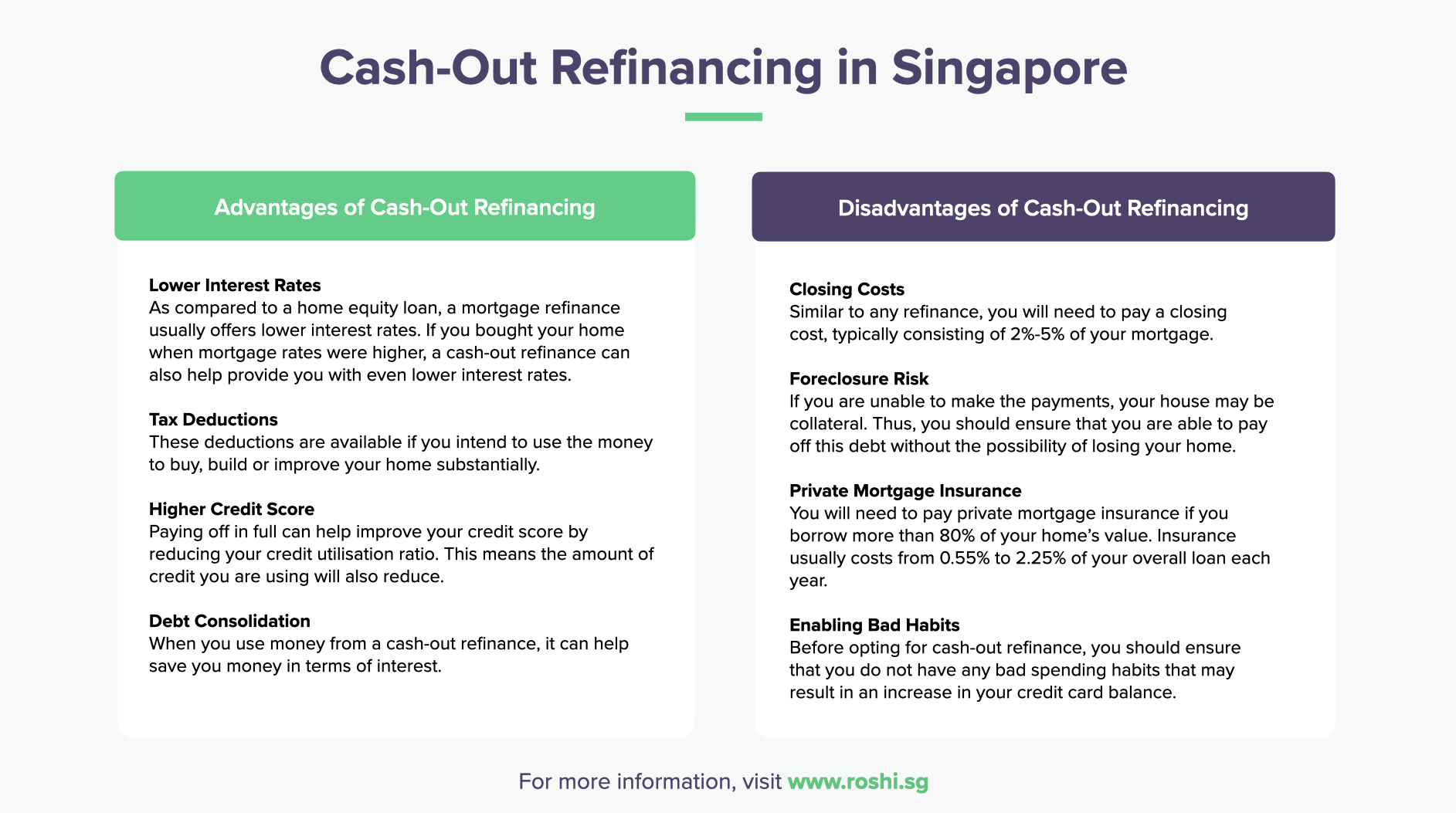
Loan refinancing is the process of replacing your existing loan with a new one that typically offers better interest rates, lower monthly payments, or different loan terms. By refinancing, you can reduce interest costs, adjust your loan tenure, or access home equity. Our refinance calculator helps estimate potential savings and new monthly repayments based on your updated loan details.
How Can I Use the Refinance Calculator?
Simply input your remaining loan balance, current and new interest rates, and preferred loan tenure into the refinance calculator. It will generate an estimate of your new monthly payments, total interest savings, and overall loan cost. This helps you compare different refinancing options before making a decision.
When Is the Right Time to Refinance?
Refinancing may be beneficial when:
- Interest rates have dropped since you took your original loan.
- You want to lower your monthly payments or adjust your loan tenure.
- Your financial situation has improved, and you qualify for better loan terms.
- You want to switch from a floating-rate to a fixed-rate loan for more stability.
Can I Refinance Any Type of Loan?
Yes, refinancing applies to various loan types, including:
- Home loans – Lower interest rates or better loan terms.
- Auto loans – Reduce monthly payments or extend repayment period.
- Personal loans – Consolidate debt or secure better rates.
Our refinance calculator can help estimate savings for different types of refinancing.
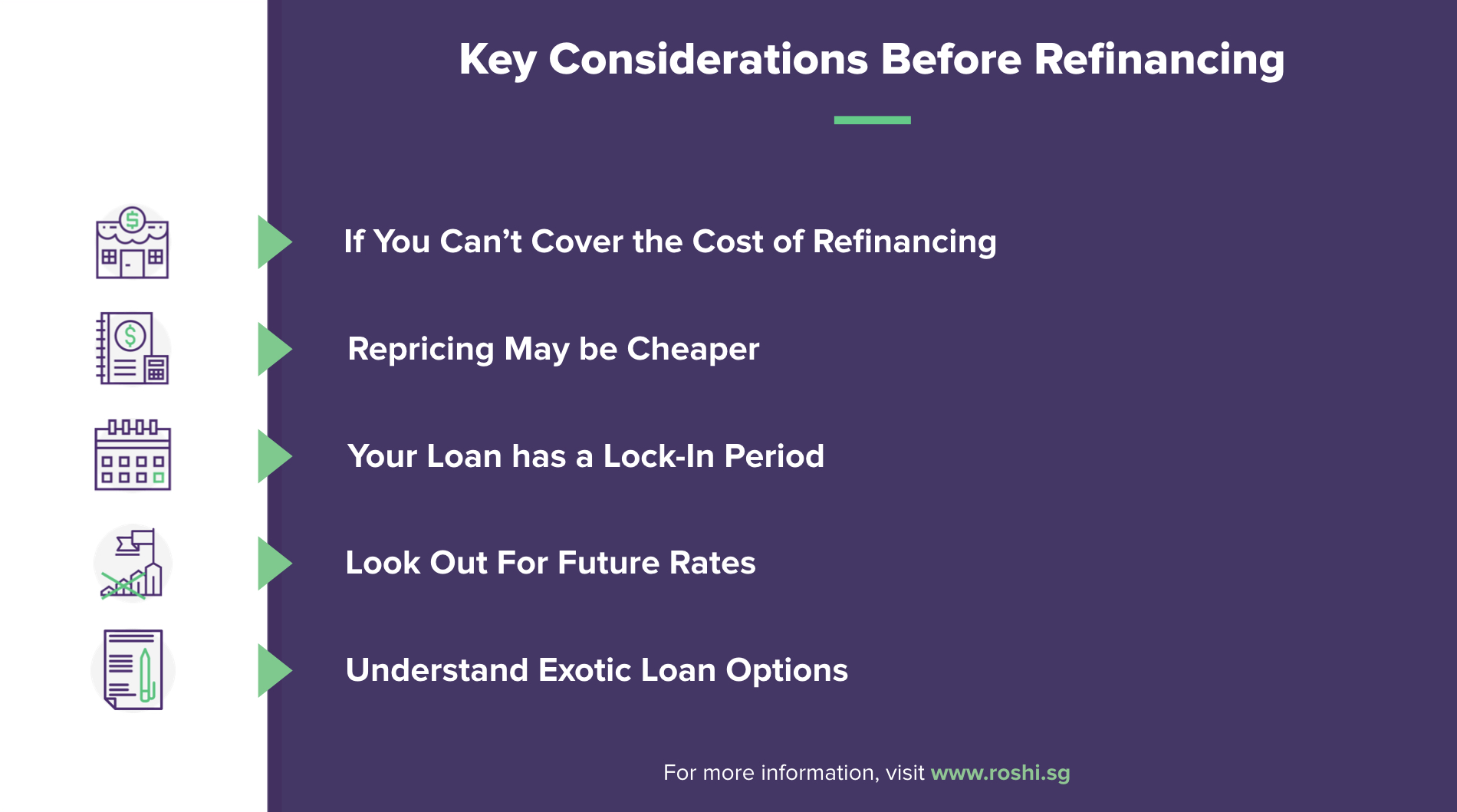
What Costs Should I Consider When Refinancing?
Refinancing isn’t free and may include:
- Processing fees charged by lenders.
- Legal fees for loan agreement changes.
- Prepayment penalties if your current loan has early repayment fees.
- Valuation fees (for home loan refinancing).
Use our refinance calculator to determine if the savings outweigh the costs before proceeding.
How Much Can I Save by Refinancing?
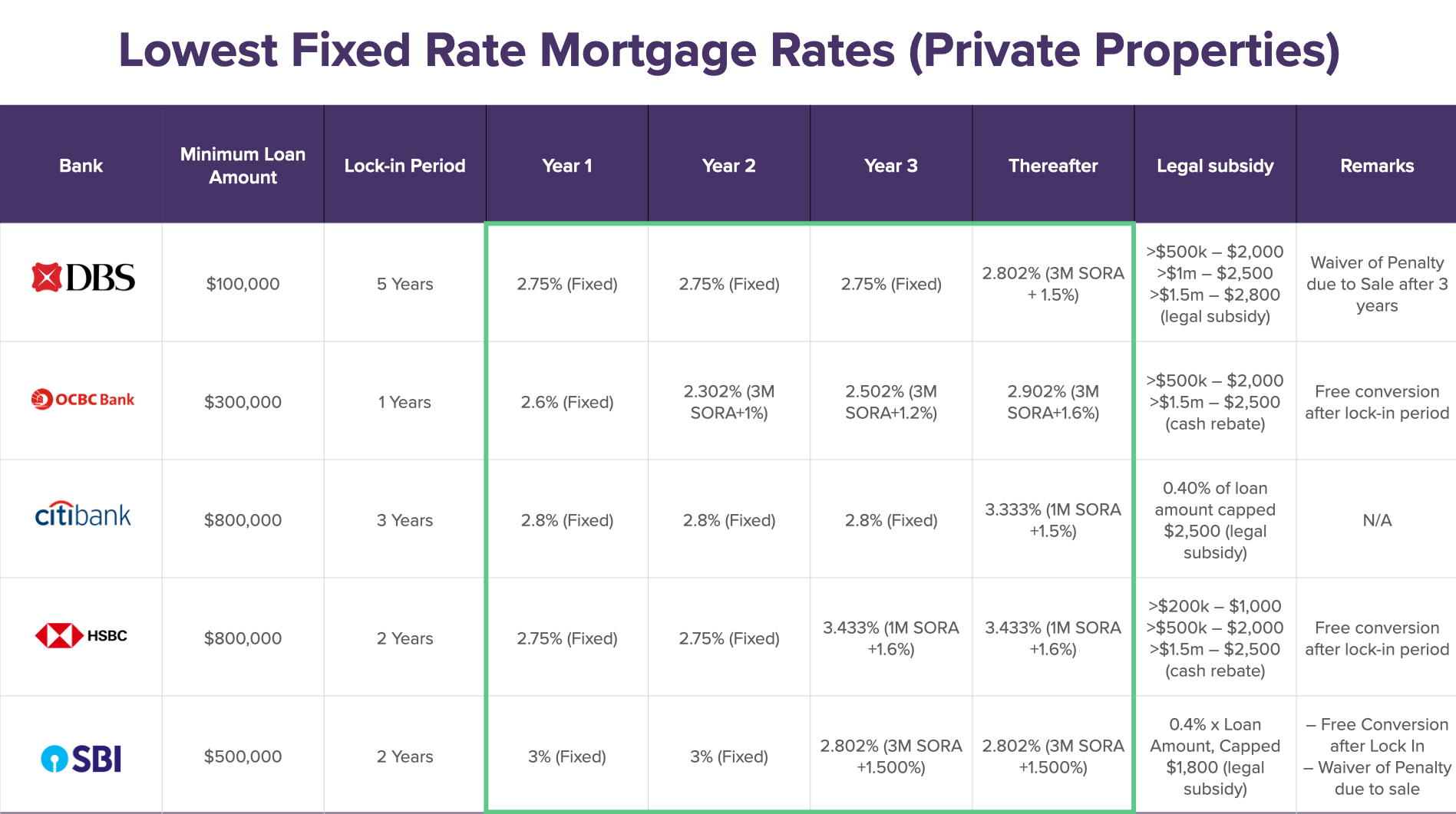
The amount you save depends on factors like your remaining loan balance, interest rate difference, and loan tenure. A lower interest rate can lead to significant savings over time. Our refinance calculator provides an accurate estimate of your potential savings.
What’s the Difference Between Fixed and Floating Interest Rates in Refinancing?
Fixed rates: The interest rate remains constant for a specific period (e.g., 1–5 years), providing payment stability.
Floating rates: The interest rate fluctuates based on market conditions, potentially leading to lower initial payments but varying over time.
Use our refinance calculator to compare different rate options and find the best fit.
Can I Refinance If My Loan Balance Is Low?
Yes, but some banks and lenders have minimum loan balance requirements for refinancing. Generally, home loan refinancing is ideal for balances above $100,000 to $200,000, while personal and auto loans may have different criteria.
How Long Does the Refinancing Process Take?
Refinancing can take a few weeks to a few months, depending on the type of loan and lender requirements. Using our refinance calculator can help you prepare in advance and compare the best refinancing options quickly.
Have a question? Ask us about anything!
You're in good hands. Our team is happy to answer all of your question. Fill out the form and we'll be in touch as soon as possible.