The Future of Digital Lending

The Future of Digital Lending

Global Trends and What to Expect in 2025 and Beyond

In a world where technology is reshaping nearly every industry, the finance sector is experiencing a digital revolution of its own. One area that’s changing fast and in some pretty exciting ways is digital lending. As consumers and businesses insist on faster, more convenient ways to borrow, digital lending platforms are stepping up to the challenge. But where is this all headed? What trends will define the future of lending?

In this latest ROSHI report we explore the key shifts occurring in the digital lending sector from the rise of artificial intelligence to the role of decentralised finance. We look at what this means for borrowers, lenders and even the regulators trying to keep up with this fast-moving environment.
Key Findings

Growth and Innovation

Digital lending solutions are transforming the financial sector by incorporating AI, blockchain, and big data to enhance the efficiency, speed, and accessibility of loans. This shift not only caters to individual consumers but also significantly impacts small to medium enterprises by offering new avenues for credit through decentralised platforms.

Regulation and Compliance

Regulators are shaping the digital lending landscape through guidelines aimed at protecting consumers while fostering innovation. These regulations ensure that digital lending practices are transparent, secure, and compliant with financial laws, which is crucial for maintaining trust.

Customer Experience

The digitisation of lending processes focuses on improving the customer experience through faster credit decisions, lower costs, and personalised services. For financial institutions, this reduces operational costs and enhances data management and customer insights, leading to better risk assessment and product offerings.

SECTION 1 - AI-Powered Lending
More Than Just Your Credit Score

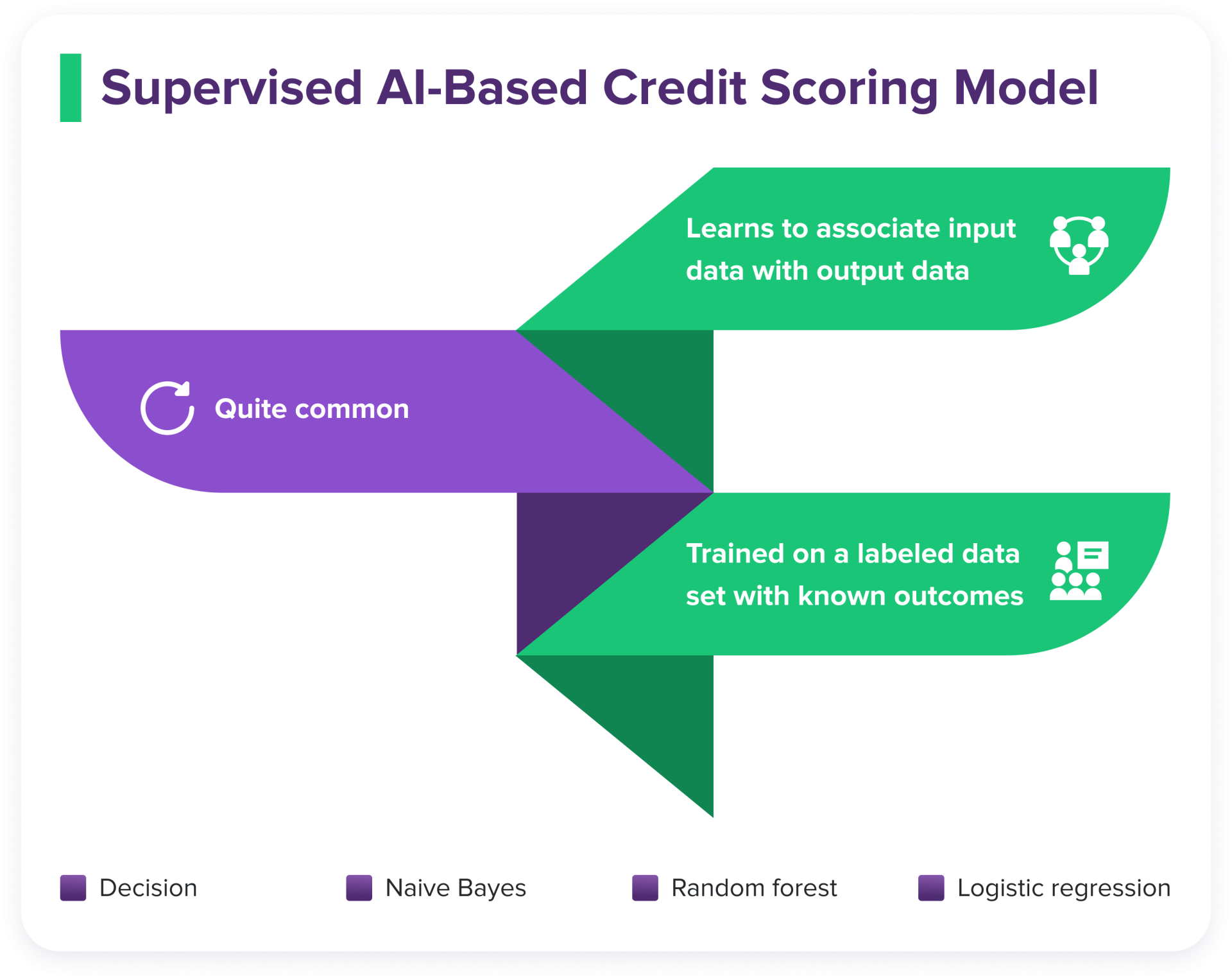
Traditionally, creditworthiness was measured through credit scores and financial history. But artificial intelligence is transforming this approach by incorporating non-traditional data sources. AI-powered lending models analyse vast amounts of data, far beyond just your payment history.

For instance, they might look at your educational background, employment history, or even your online activity. According to a report by Experian, AI-driven analytics can identify complex relationships in data, leading to a potential performance lift of 10 to 15 percent in credit risk assessment compared to traditional models.

For borrowers, this means more people, including those with limited credit history, may have access to loans. For lenders, it's a way to reduce risk by making more informed decisions. The result? A lending process that's faster, smarter, and more accessible.

Supervised AI based Credit Scoring Model

SECTION 2
The Power of Personalisation in Digital Lending

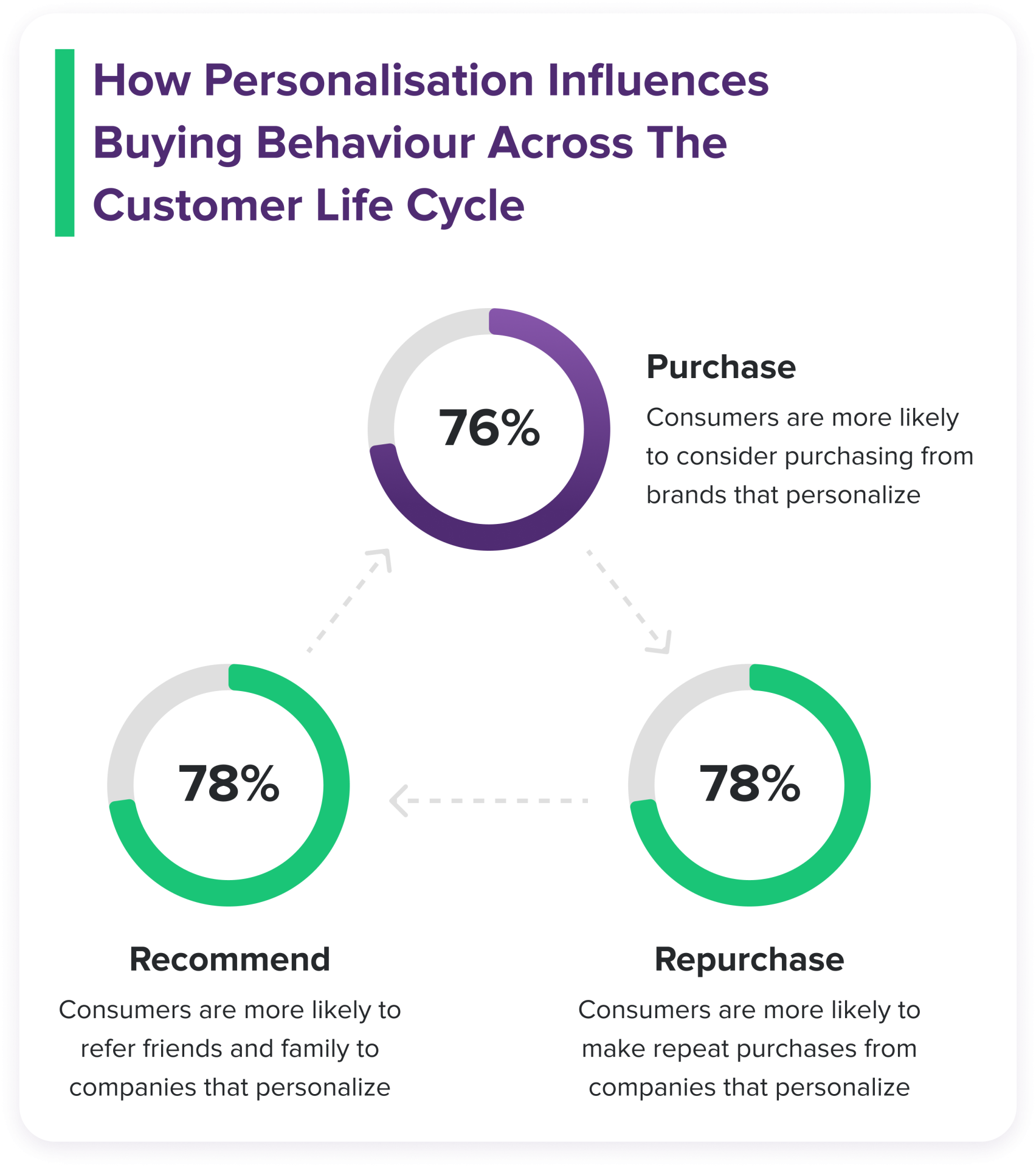
Personalisation influences buying behaviour

Modern consumers demand personalisation in digital lending, expecting services tailored to their individual financial profiles. Lenders are responding by employing big data and AI to refine their offerings, leading to more efficient and user-friendly loan processes.

In the US, SoFi and LendingClub are leading the way, providing streamlined applications with personalised rates. In Singapore ROSHI provides instant cash loans via hyper-personalised loan journeys. Zopa in the UK has transformed from a peer-to-peer platform into a digital bank offering custom loan products, while Australia's Prospa caters specifically to small businesses with fast, tailored lending solutions.

This shift towards bespoke lending solutions has a significant impact. For instance, personalisation often drives a 10 to 15 percent revenue lift, according to a report by McKinsey. This approach improves customer loyalty and drives a boost in wallet share.

SECTION 3 - Regulatory Hurdles
Privacy and Data Security Take Centre Stage

As digital lending expands, regulatory scrutiny intensifies, particularly around data privacy.
The European Union has led with the GDPR, influencing global standards.

In Singapore a recent cybersecurity incident affected approximately 128,000 borrowers. The
breach occurred when hackers infiltrated the systems of a third-party IT service provider.
This vendor was responsible for hosting data on behalf of around 12 licensed money lending
companies. As a result, sensitive information associated with these borrowers was
compromised.

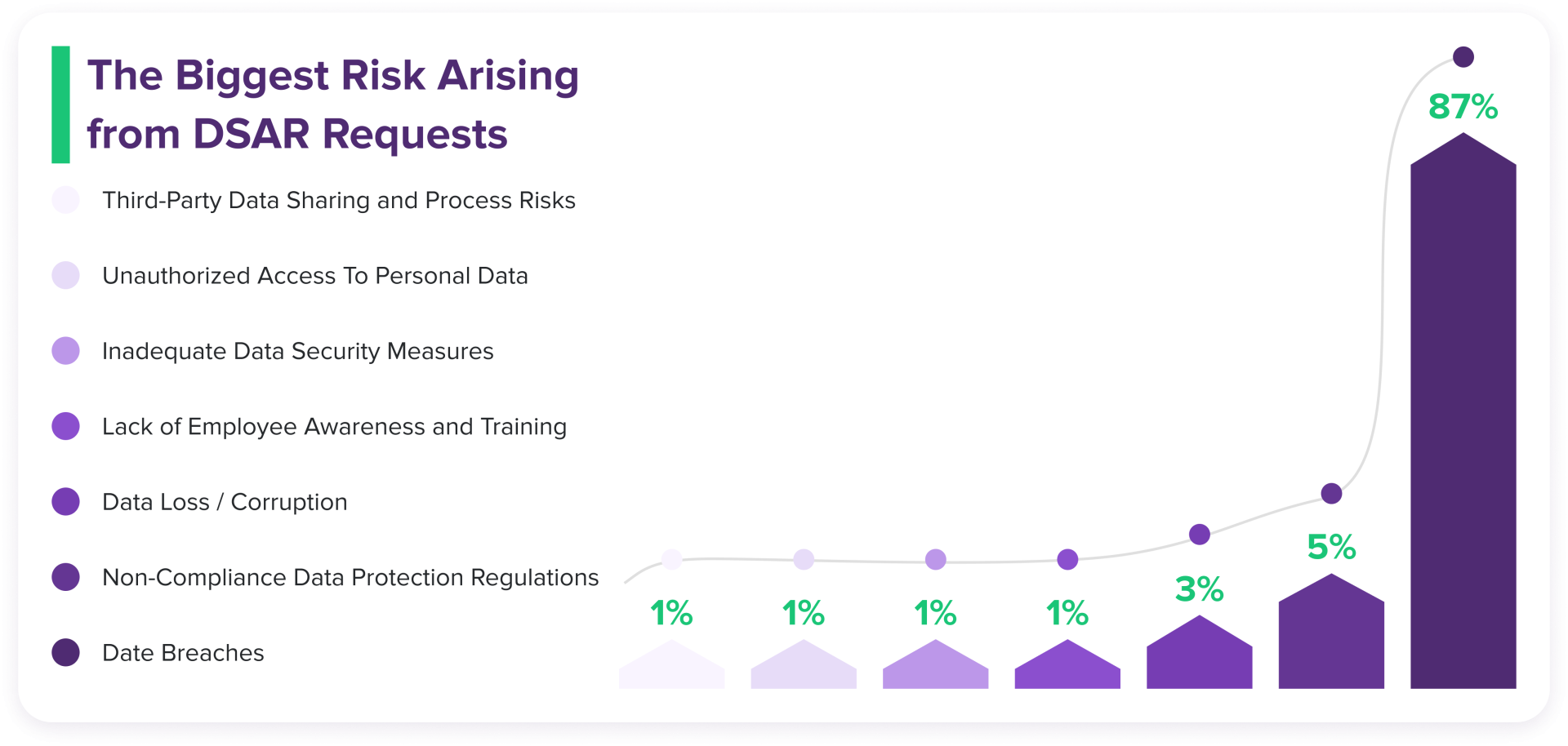
Biggest risk from DSAR requests

This trend underscores the balancing act digital lenders must perform — leveraging personal
data for tailored lending solutions while navigating stringent privacy regulations to avoid
data breaches and ensure ethical data usage.

SECTION 4 - Peer-to-Peer Lending
“We The People” Are Lending the Money Now

Peer-to-peer (P2P) lending platforms are experiencing significant growth, particularly in
Western countries where they provide an alternative to traditional banking systems.
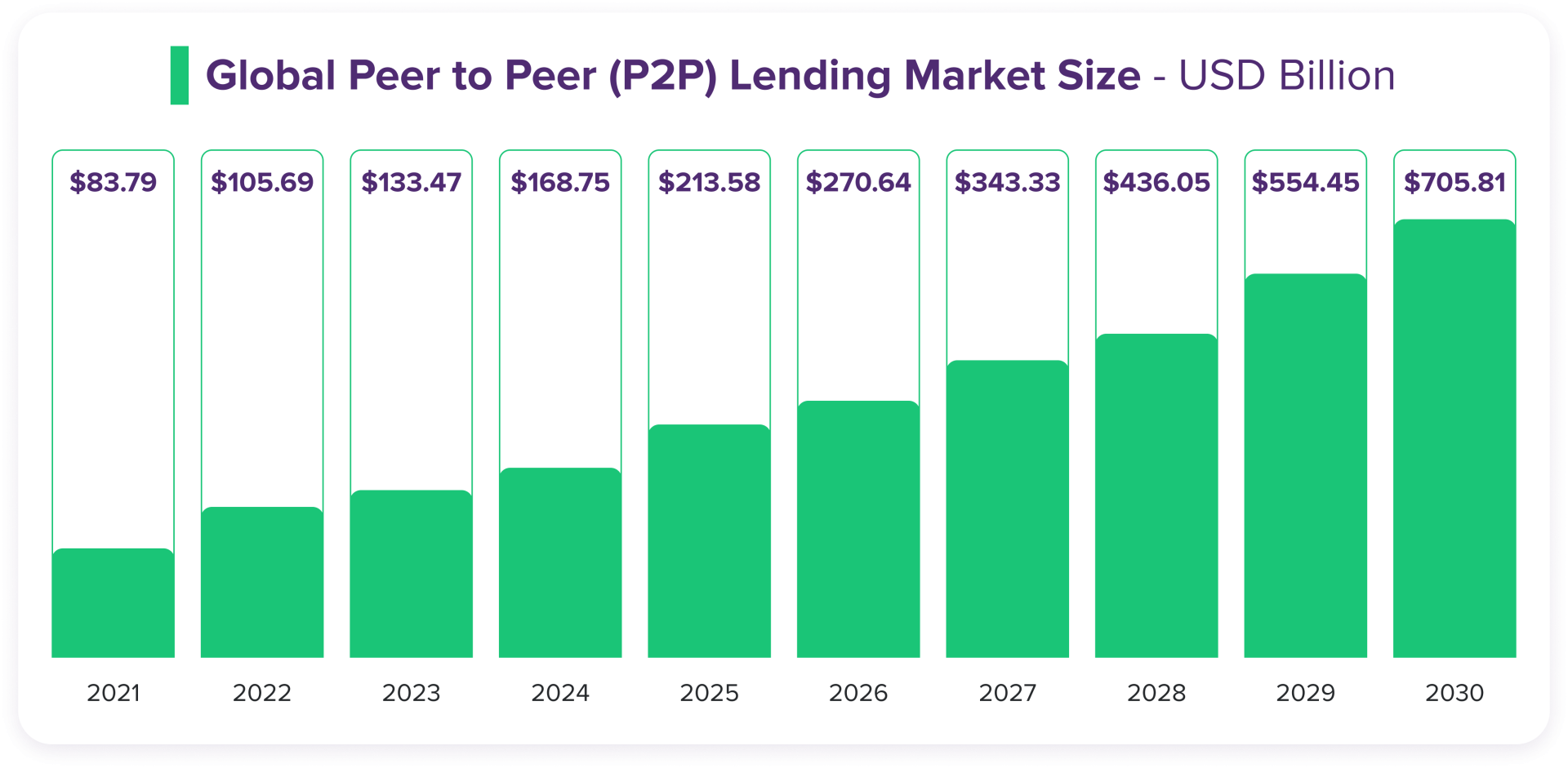
According to Precedence Research, the global P2P lending market is projected to surpass
US$705.81 billion by 2030, growing at a CAGR of 26.7% from 2022 to 2030. (Peer to Peer
(P2P) Lending Market Size to Surpass US$.

Global peer to peer lending marketsize

This expansion is driven by the appeal of lower interest rates for borrowers and the promise
of higher returns for investors, who also benefit from portfolio diversification. Platforms like
LendingClub in the US and Funding Circle in the UK exemplify this trend, highlighting the
sector's increasing popularity and its role in diversifying financial options for consumers and
investors alike.

SECTION 5 - Blockchain and DeFi
The Next Frontier of Digital Lending

Blockchain technology is shaking up the lending world. At its core, blockchain provides a way to track transactions securely and transparently, which is ideal for the lending industry. By using smart contracts, lenders can automatically enforce loan terms, reducing the need for intermediaries and lowering costs.

But the real game-changer? Decentralised Finance (DeFi) protocols are enabling peer-to-peer lending with cryptocurrencies, creating a brand-new ecosystem of financial transactions. While still in its infancy, DeFi is a trend to watch, as it has the potential to upend traditional banking altogether.

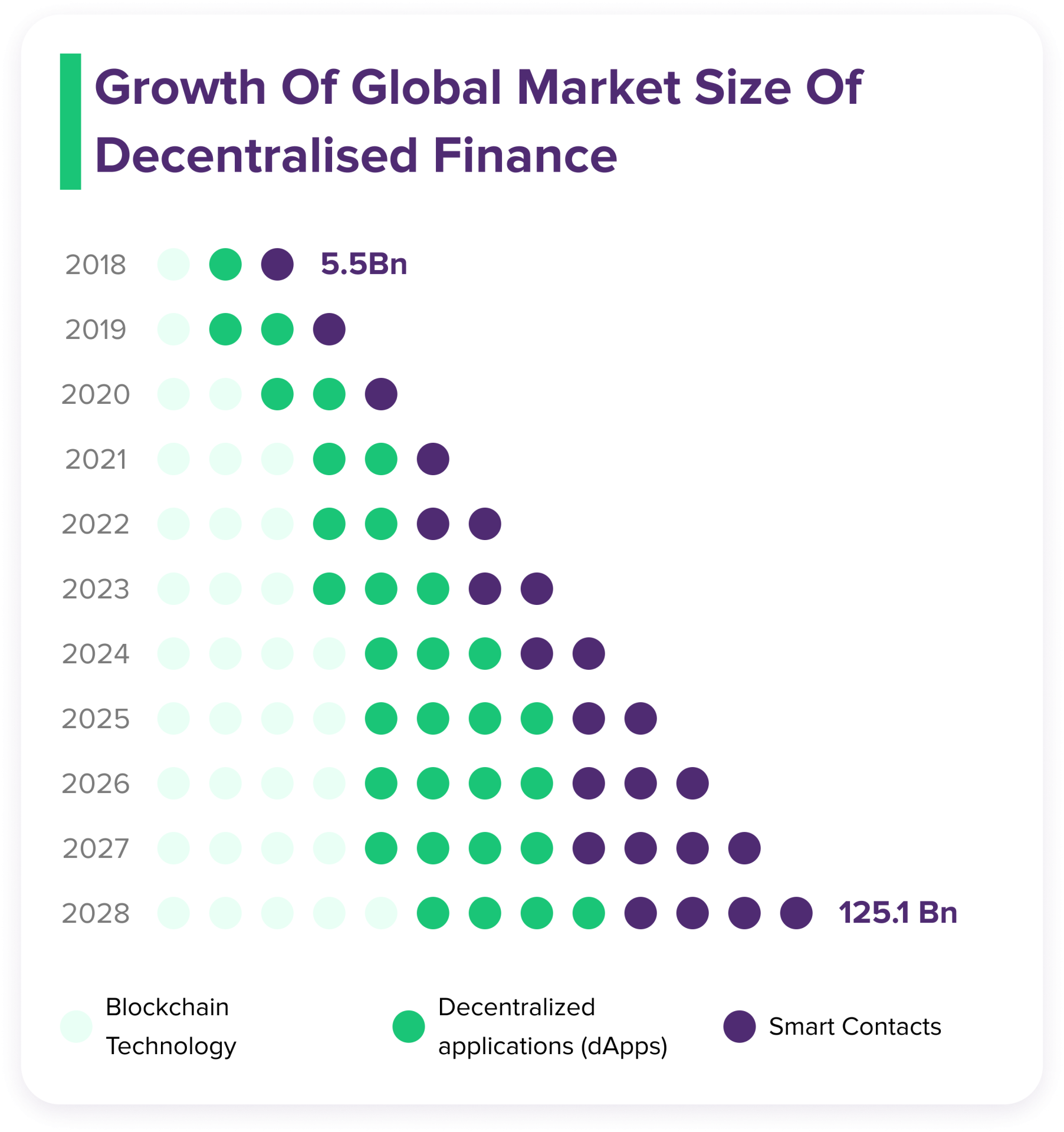
DeFi's growth is highlighted by its market size, which was valued at USD 13.61 billion in 2022, with expectations to expand at a CAGR of 46.0% from 2023 to 2030. This rapid growth underscores DeFi's ability to deliver accessible financial services through smart contracts, which automate and enforce lending terms without traditional financial intermediaries.

Growth global market size decentralised finance

SECTION 6 - Open Banking
A New Way to Assess Creditworthiness

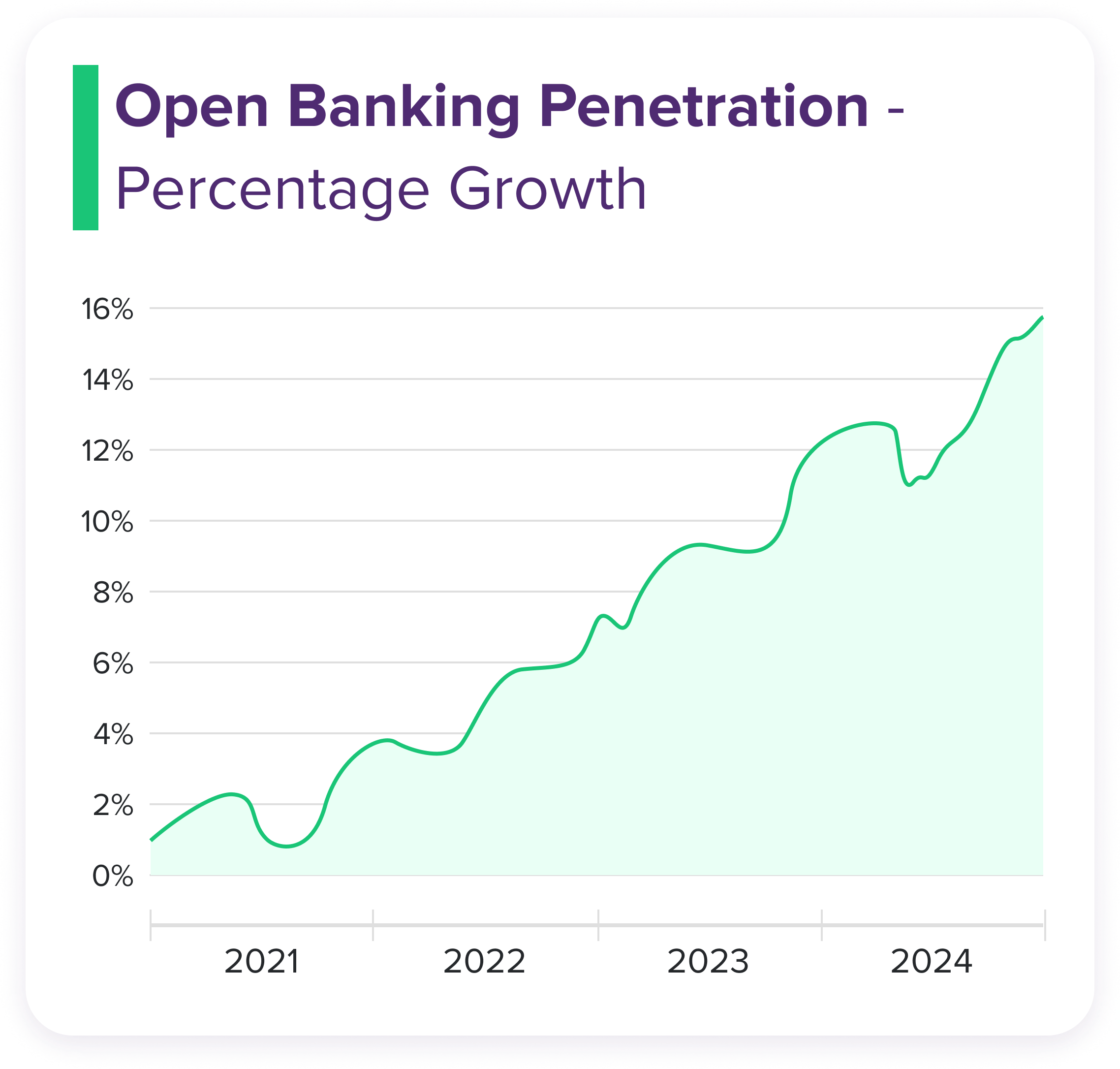
Open banking pentetration

Open banking is changing the lending landscape by enabling a more nuanced assessment of creditworthiness. In Europe, the adoption of open banking has led to significant improvements in lending processes.

According to the Open Banking Impact Report 2024, by January 2024, 13% of digitally active consumers in key European markets were using open banking services, illustrating its growing influence on financial decisions.

This shift allows for real-time access to financial data, leading to more tailored loan products, faster approval times, and ultimately, a more competitive market for consumers.

SECTION 7 - Green Loans
Lending for a Sustainable Future

Digital lending platforms are increasingly facilitating green projects. The sector has seen
a surge in financing for solar energy, with platforms like Mosaic leading the charge by
providing tailored loans for renewable energy installations.

Dividend Finance is another example, offering homeowners loans for energy-efficient
upgrades, from solar installations to smart home systems. These platforms streamline the
financing process and encourage the adoption of sustainable tech by making them more
affordable and accessible to average consumers.

According to a report by the Solar Energy Industries Association (SEIA), solar installations
have increased rapidly, with financing playing a crucial role. The report highlights that in Q2
2024, the residential solar market installed 1.8 GW of solar capacity, much of which was
facilitated by digital lending platforms offering specialised solar loans.

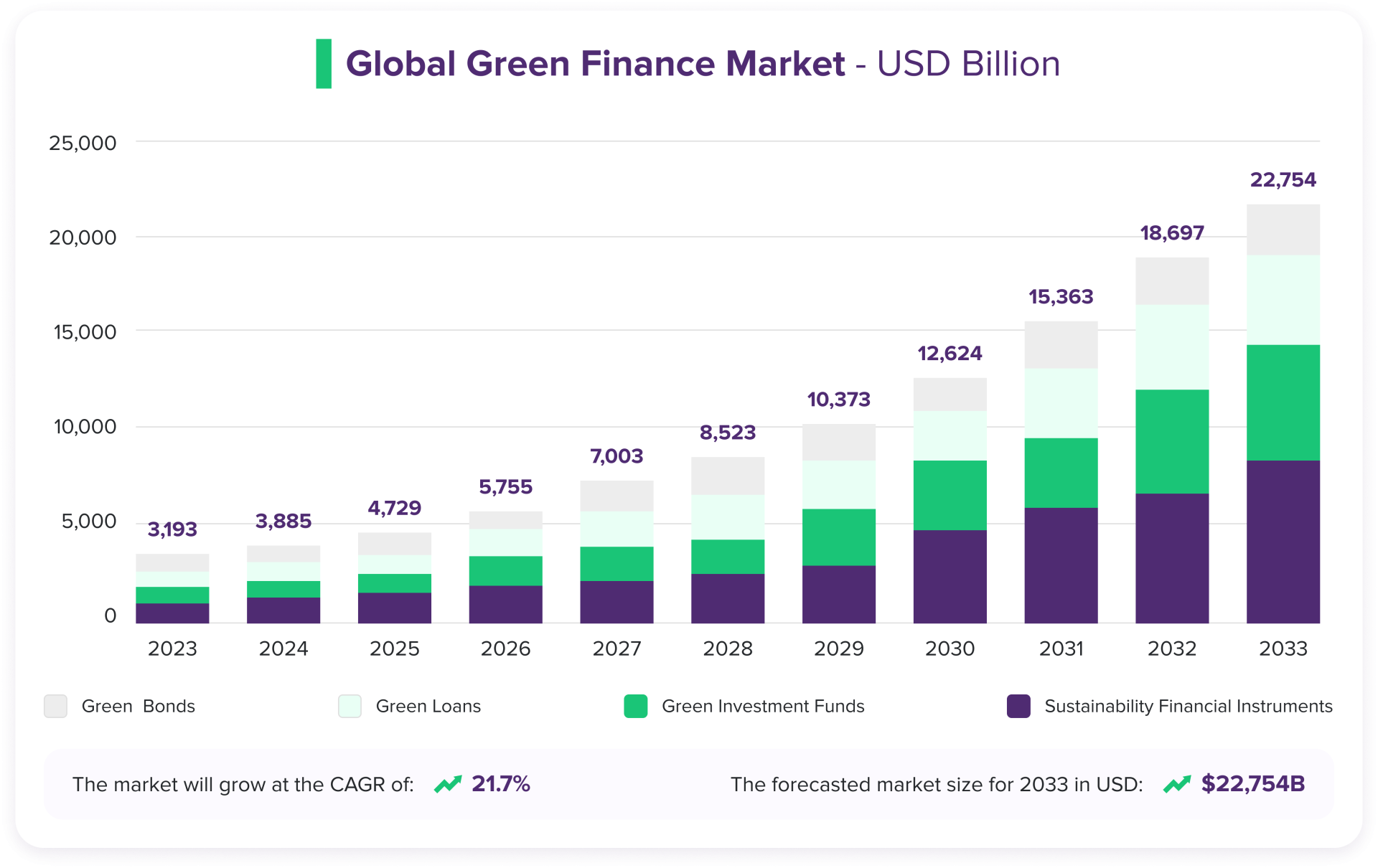
Global green finance market

The green loan markets in Australia and New Zealand are also witnessing significant growth,
driven by the region's commitment to achieving net zero emissions. ANZ has set a precedent
in Australia with the first labelled Green Loan for Investa Commercial Property Fund, and a
Sustainability Performance Linked loan for Adelaide Airport.

CONCLUSION
The Future of Lending Looks Bright, and it’s Coming Fast

Digital lending is here to stay from AI-driven credit assessments to blockchain-based lending platforms,
the landscape is evolving at a dizzying pace and it's only going to grow.

For borrowers, this means more choice, faster approval times, and greater access to credit.
For lenders, it offers new ways to assess risk and expand their customer base. And for
regulators? Well, they’ve got their work cut out for them.

The Mordor Intelligence Digital Lending Market Report finds that digital lending platforms
are set to grow, with the consumer market alone expected to reach a valuation of USD
453.32 billion in 2024, growing at a CAGR of 11.90% to reach USD 795.34 billion by 2029,
driven by technological advancements like AI for credit scoring and blockchain for fraud
prevention.

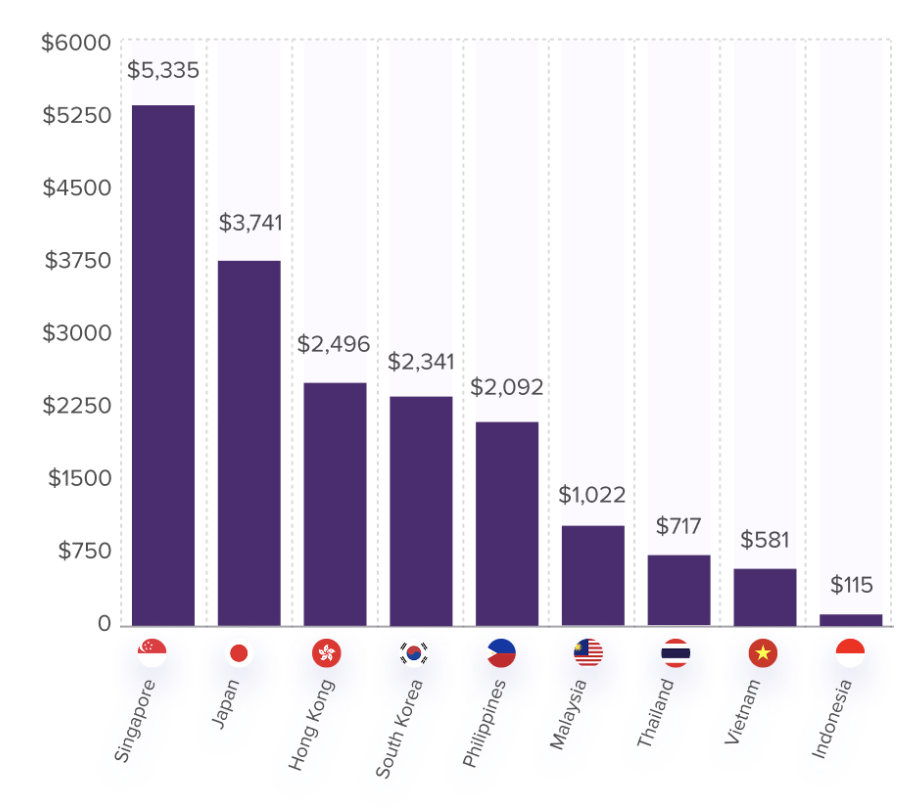
Annual Income Growth Singapore

The future of lending is all about speed, transparency, and inclusivity. It’s unfolding before
our eyes. Whether you’re an individual looking for a quick loan or a small business trying to
secure funding, the digital lending revolution promises to make borrowing easier and more
efficient than ever.

Find out more about ROSHI

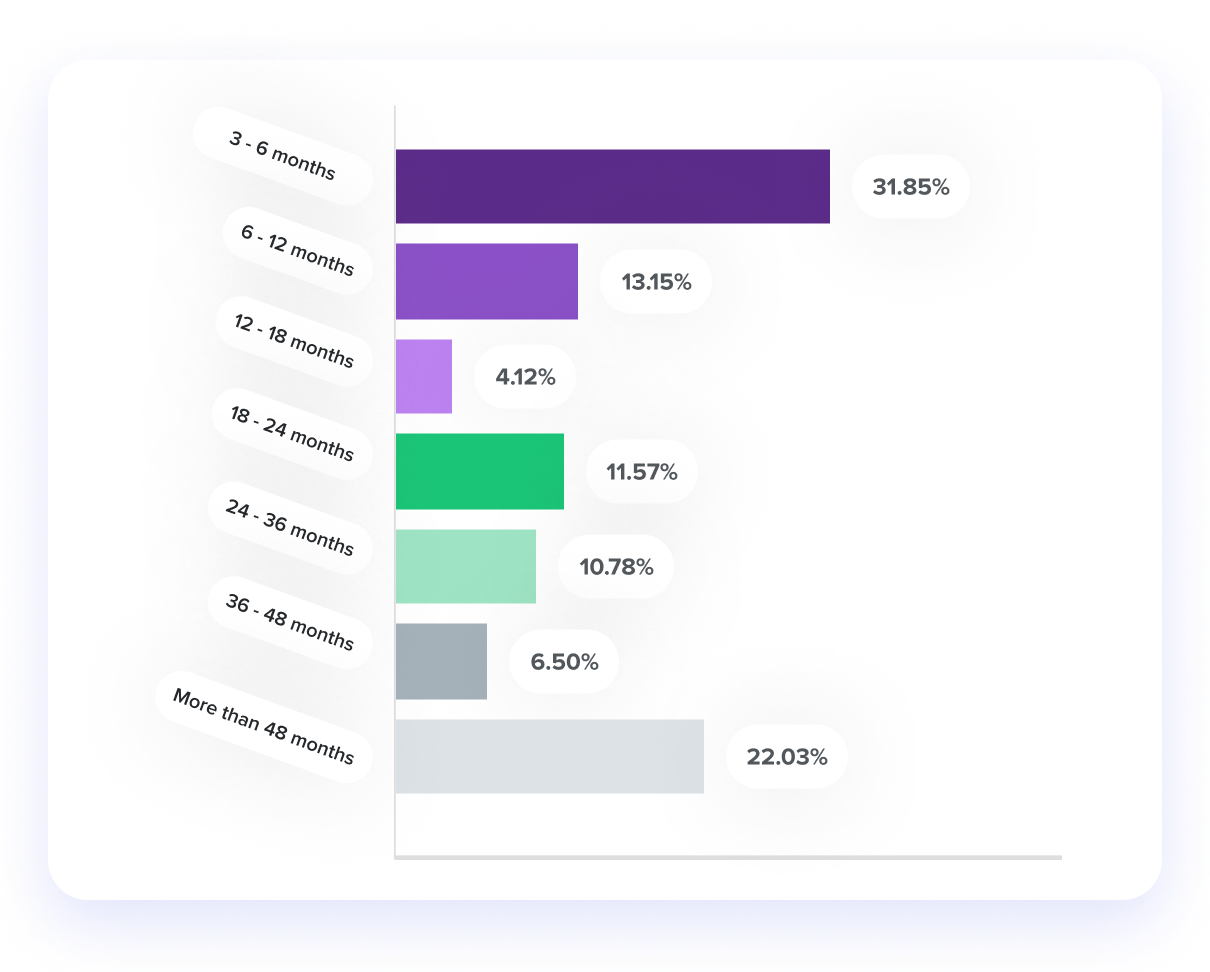
Popular Consumer Loan Types

DISCLAIMER
This information herein is published by ROSHI Pte Ltd (UEN 202222480E) (“ROSHI”) and is for information only. This publication is intended for ROSHI and its clients to whom it has been delivered.

This report contains aggregated insights derived from various public sources including:

The analysis aims to provide perspectives on the future of digital lending and its developments and trends across the globe but may be incomplete or condensed. ROSHI makes no warranty to accuracy or assumes any responsibility for decisions made based on this report. Figures used are for illustration and do not bind ROSHI. ROSHI performs marketing and matchmaking services to connect clients with lending partners but does not directly offer any lending or financial advisory services under regulation by the Monetary Authority of Singapore. Users of this report should consult professional advisors before engaging in any transaction. This report is meant solely for insight purposes following Singapore laws and regulations around data privacy. Please contact ROSHI for authorization before reproducing or relying on the analysis.