Cost Overruns are Almost Guaranteed
Renovation projects in Singapore routinely exceed initial budgets by 10% to 20%. Hacking reveals hidden issues, material costs fluctuate and scope creep is common.
When using tour calculator, run scenarios at both your quoted amount and 15% to 20% higher to understand the realistic range of monthly repayments. If the higher amount strains your budget either scale back the renovation scope or ensure you have a saving buffer beyond the loan.


Typical Renovation Costs
| Basic | Mid-Range | High-End | |
|---|---|---|---|
| 3-Room HDB BTO | $25,000 to $35,000 | $35,000 to $50,000 | $50,000 to $70,000 |
| 4-Room HDB BTO | $35,000 to $45,000 | $45,000 to $65,000 | $65,000 to $90,000 |
| 5-Room HDB BTO | $45,000 to $55,000 | $55,000 to $75,000 | $75,000 to $110,000 |
| HDB Resale (any size) | Add $10,000 to $20,000 for hacking and repairs | $70,000 to $100,000 | $100,000 to $180,000 |
| Condo (2-3 BR) | $50,000 to $70,000 | $35,000 to $50,000 | $50,000 to $70,000 |
Renovation Loan Repayment Examples
| Loan Amount | 3 Years (EIR 5%) | 5 Years (EIR 5%) |
|---|---|---|
| $15,000 | $450 per month = $1,200 interest | $283 per month = $1,980 interest |
| $20,000 | $599 per month = $1,564 interest | $377 per month = $2,620 interest |
| $25,000 | $749 per month = $1,964 interest | $472 per month = $3,320 interest |
| $30,000 | $899 per month = $2,364 interest | $566 per month = $3,960 interest |
Interest Rate Trends
Research updated by Trinh Thanh on 6 July 2026 - Entering July 2026, Singapore’s property financing market continues to remain stable with no major changes to renovation loan regulations, interest rate structures or fee limits. Renovation loan calculators continue to be useful for borrowers who want to estimate monthly repayments, compare loan tenures and understand total borrowing costs before committing to renovation financing.
Demand for renovation loan calculator tools remains steady, especially among homeowners planning property upgrades, refurbishment works, interior improvements or urgent repairs. Instead of focusing only on the approved loan amount, borrowers continue using calculators to understand how renovation budgets, repayment tenure, interest rates and fees may affect affordability over time. Compared to June, pricing trends remain broadly unchanged with banks continuing to offer structured renovation financing while licensed moneylenders continue operating within Singapore’s regulated monthly interest cap framework.
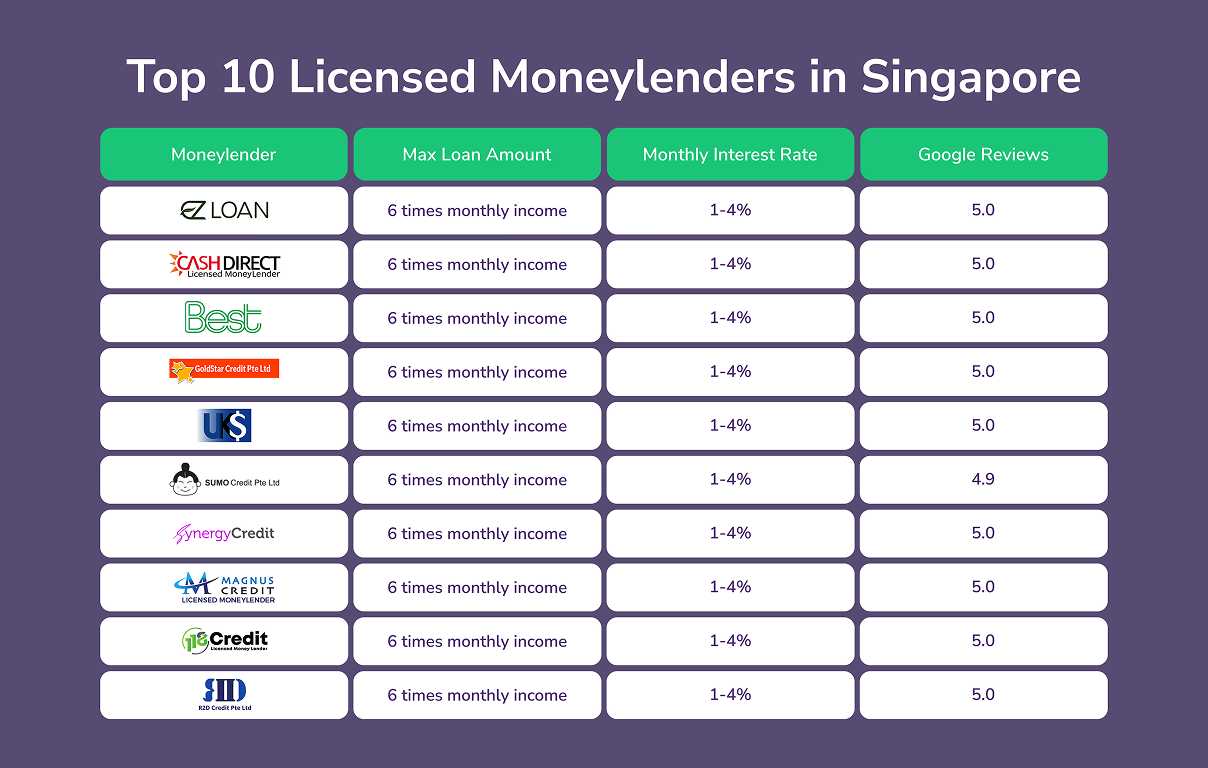
As of July 2026, licensed moneylenders regulated by Singapore’s Registry of Moneylenders continue to provide unsecured financing that may be used for renovation-related expenses. Average monthly interest rates remain around 3.8%, staying slightly below the legal cap of 4% per month.
Compared to bank renovation loans, financing from licensed moneylenders is generally less formally structured around renovation milestones, contractor quotations or progressive payments. These loans may be used for smaller renovation works, urgent repairs or situations where borrowers require faster access to funds. Loan approvals continue to depend on verified income, employment consistency, MLCB records and repayment capacity with borrowers potentially qualifying for loan amounts of up to six times their monthly income depending on financial capacity.
For calculator estimates, borrowers should include the approved loan amount, repayment tenure, monthly interest rate, administrative fee and possible late charges if repayments are missed. Administrative fees remain capped at 10% of the principal amount while late payment charges generally continue to stay within the S$60 monthly regulatory limit.
Applications can still begin online allowing borrowers to submit basic details and supporting documents digitally before visiting the lender’s office. However, Singapore regulations continue to require borrowers to complete identity verification and sign loan agreements in person before funds can be released. Once verification has been completed, approvals are often processed within a relatively short timeframe.
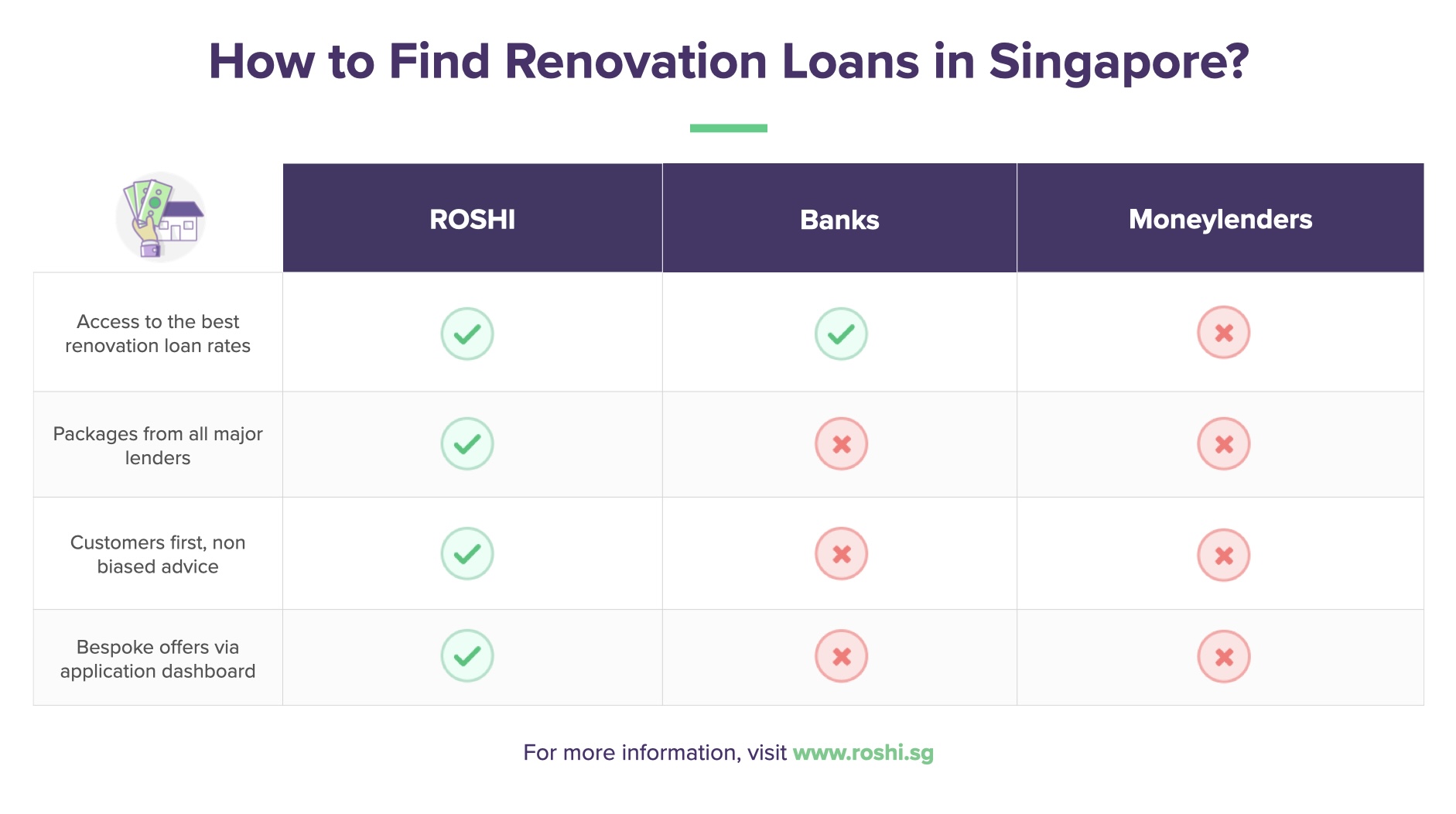
Banks continue to remain the main providers of renovation loans in Singapore, offering financing products designed specifically for home improvement projects and planned renovation works. These loans are generally structured around renovation budgets, contractor quotations, property-related documents and repayment tenures.
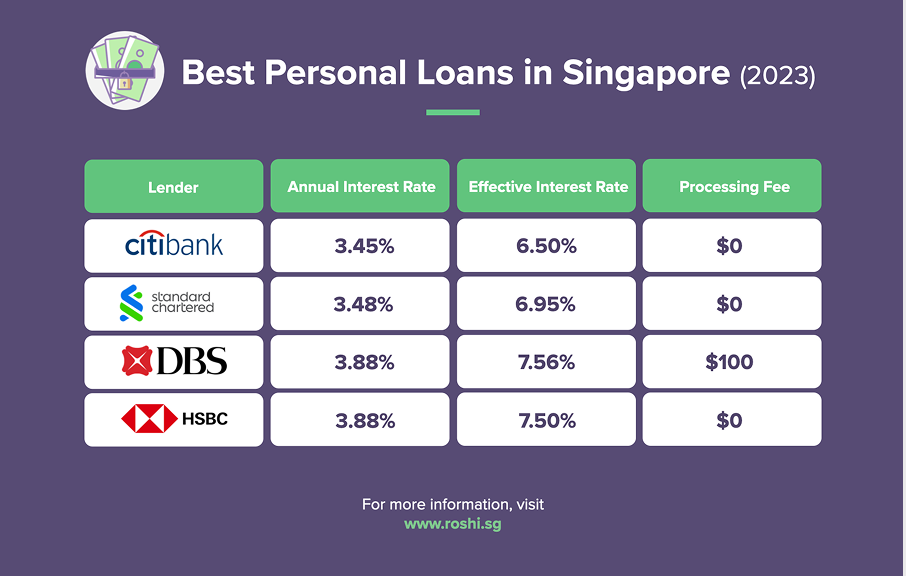
Bank renovation loans generally continue to provide lower long term borrowing costs compared to licensed moneylenders, especially for borrowers with a stronger credit score, stable income and complete renovation documents. For borrowers using a renovation loan calculator, bank loans may show lower estimated monthly repayments or lower total borrowing costs when the applicant qualifies for competitive rates and suitable repayment terms.
Bank renovation loan applications continue to require supporting documents such as renovation quotations, contractor information and proof of property ownership. Approval procedures remain more detailed compared to licensed moneylenders. CBS statements, income verification and internal risk assessments continue to form part of the application process with processing timelines often extending across several business days before funds are released.
Because of this, bank renovation loans continue to be more suitable for planned renovation projects where borrowers have time to prepare documents and compare repayment structures carefully.
In July 2026, renovation loan calculators continue to support better planning within Singapore’s property financing market. They help borrowers compare estimated monthly repayments, repayment tenures and total borrowing costs before deciding how much renovation financing to take on.
From ROSHI’s perspective, a renovation loan calculator should be used as a planning tool rather than a final approval quote. Estimated repayments can help homeowners understand affordability but actual loan terms may still vary depending on income verification, credit score, CBS or MLCB records, renovation documents and the lender’s assessment.
Borrowers should also avoid choosing a larger loan amount only because the monthly repayment looks manageable over a longer tenure. Renovation budgets can increase during the project, so it remains important to keep financing aligned with both project costs and repayment capacity.
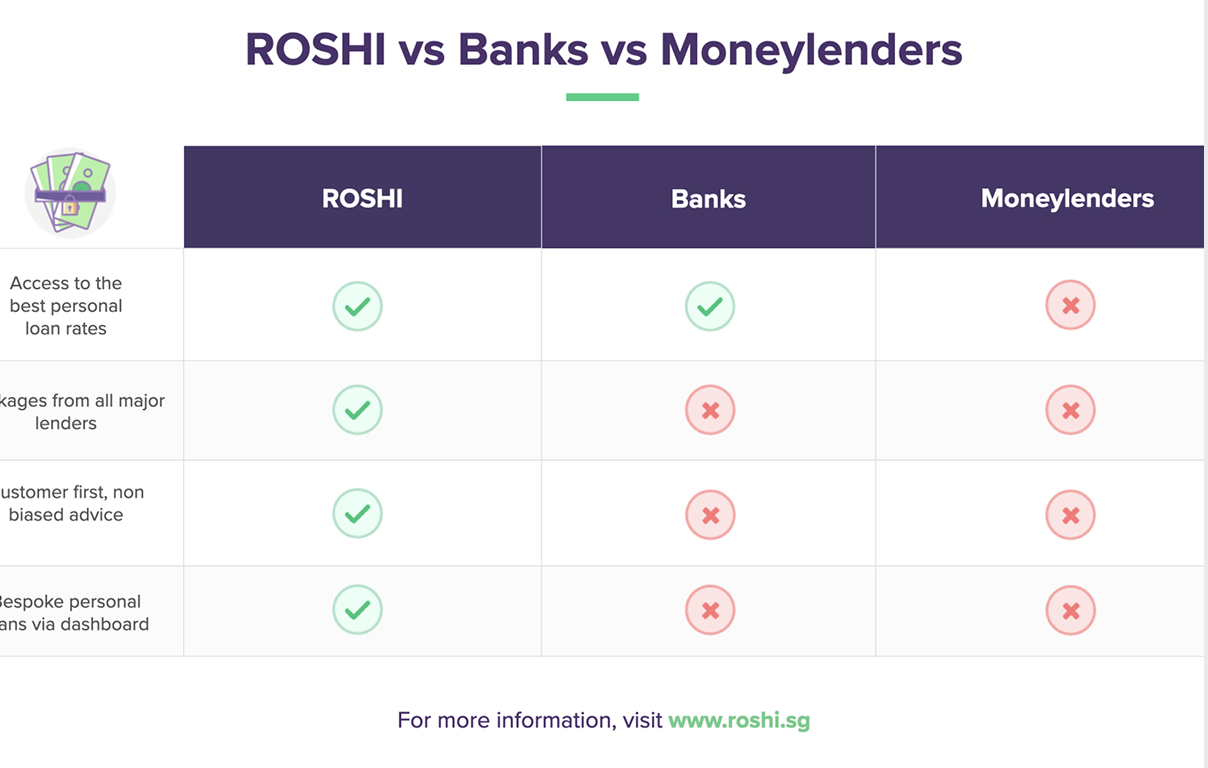
Through ROSHI’s platform, borrowers are also able to compare available financing options more easily and choose loan terms that better match their renovation plans, project timing and repayment ability.
For borrowers in July 2026, renovation loan calculators continue to provide a practical way to estimate repayment obligations before applying. In a stable property financing market, the main consideration is not only how much can be borrowed but how comfortably repayments can be managed alongside renovation expenses and household commitments.
Banks continue offering a more cost-effective option for planned renovation projects supported by lower effective interest rates and structured repayment terms. Licensed moneylenders continue to remain a practical alternative for smaller renovation works, urgent repairs or borrowers who prioritise faster approvals, although monthly borrowing costs remain higher.
Within Singapore’s regulated property financing environment, borrowers who compare loan terms carefully and align renovation financing with realistic project budgets and repayment capacity continue to be better positioned to make informed decisions that balance project timing, borrowing cost and long term financial readiness.