

Being a foreigner doesn't mean you're stuck with bad options
Singapore's moneylending regulations exist to protect borrowers. Interest rates are capped, fees are transparent and every licensed lender must follow the same rules.
The most important thing is to borrow only what you can repay within the agreed repayment timeline. Get your CBS and MLCB reports before applying, have your documents ready and if possible apply early in the month to avoid quota limits. 


Tips for Foreign Borrowers
How to Improve Your Approval Chances
Your MLCB report shows any outstanding moneylender loans. If you currently have any outstanding loans with other moneylenders, clear those first or make sure your repayment history is clean. Lenders check this before approving your application.
Build local credit history
If you plan to stay in Singapore long-term, get a credit card from a local bank and use it for everyday expenses like groceries and utilities. Pay the full balance monthly. This builds your CBS score over time, which opens the door to bank loans.
Bring a local guarantor
Having a Singaporean or PR act as your guarantor can improve approval chances and may help you secure a lower interest rate. The guarantor must be willing to sign and take on the liability if you default.
Apply early in the month
Licensed moneylenders can only approve 15 foreign borrowers per month. If you apply towards the end of the month, your preferred lender may have already hit their quota.
Only request what you need
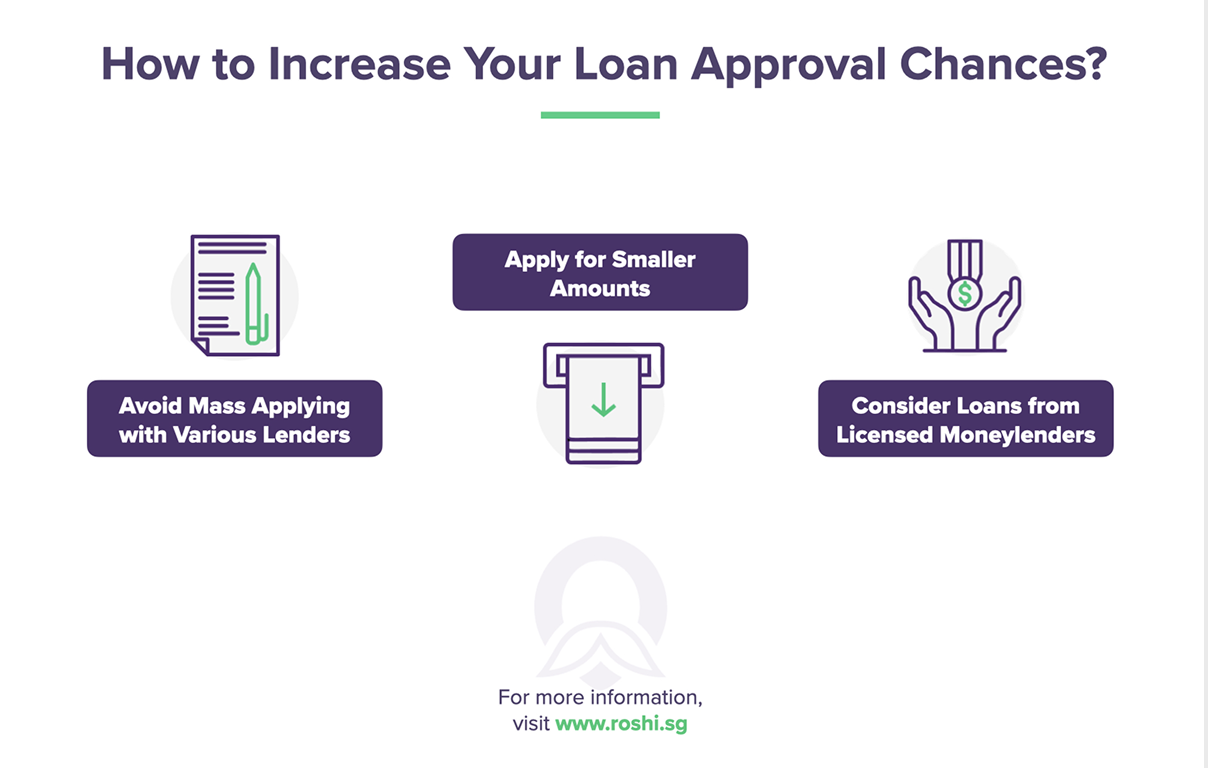
Asking for the maximum either $3,000 or $5,000 when you only need $1,500 can reduce your approval chances. Lenders assess whether you can realistically make the repayments so a smaller amount is easier approved.
Ensure your work pass has at least 3 months validity remaining
Lenders need confidence you'll still be employed in Singapore during the repayment period. A pass expiring soon can raise red flags.
Common Mistakes to Avoid
What Foreign Borrowers Get Wrong Most Often
Many foreign loan applications get rejected or end up costing more than they should because of avoidable mistakes. Here are the most common ones we see and how to avoid them.
Interest Rate Trends
Research updated on 8 Sep 2026 - September 2026 shows no change in how foreign borrowers are treated under Singapores lending regulations. The caps and fee limits apply equally to everyone.
Foreign workers on EP, SP and WP passes are still applying for loans to cover relocation costs, send money home or manage temporary cash flow gaps. Lenders are still focusing on employment stability, valid work passes and income proof when reviewing these applications. The rates have not moved since August and the process remains consistent.
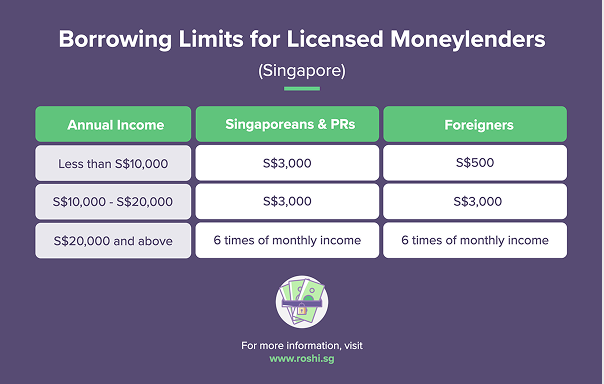
For foreign borrowers in September 2026, licensed moneylenders are still charging around 3.8% per month with the same regulatory caps. If you earn below S$10,000 per year, you can borrow up to S$500. Between S$10,000 and S$20,000, the limit is S$3,000. Above S$20,000, you can access up to six times your monthly income.
The lender will check your work pass validity, employment history and MLCB record before approving anything. You can submit your details online but must visit the office to complete verfication and sign the agreement.
Once done, disbursement usually happens within the same working day.
Some banks do lend to foreigners but they are selective. They usually prefer expatriates with higher salaries, longer employment contracts and stronger credit profiles.
The application process involves CBS checks, employment verification and sometimes references from your employer. Approval can take several days and smaller loan amounts are not always available.
For foreign workers who need quick access or do not meet the high bar set by banks, licensed moneylenders remain the more accessible and faster option.
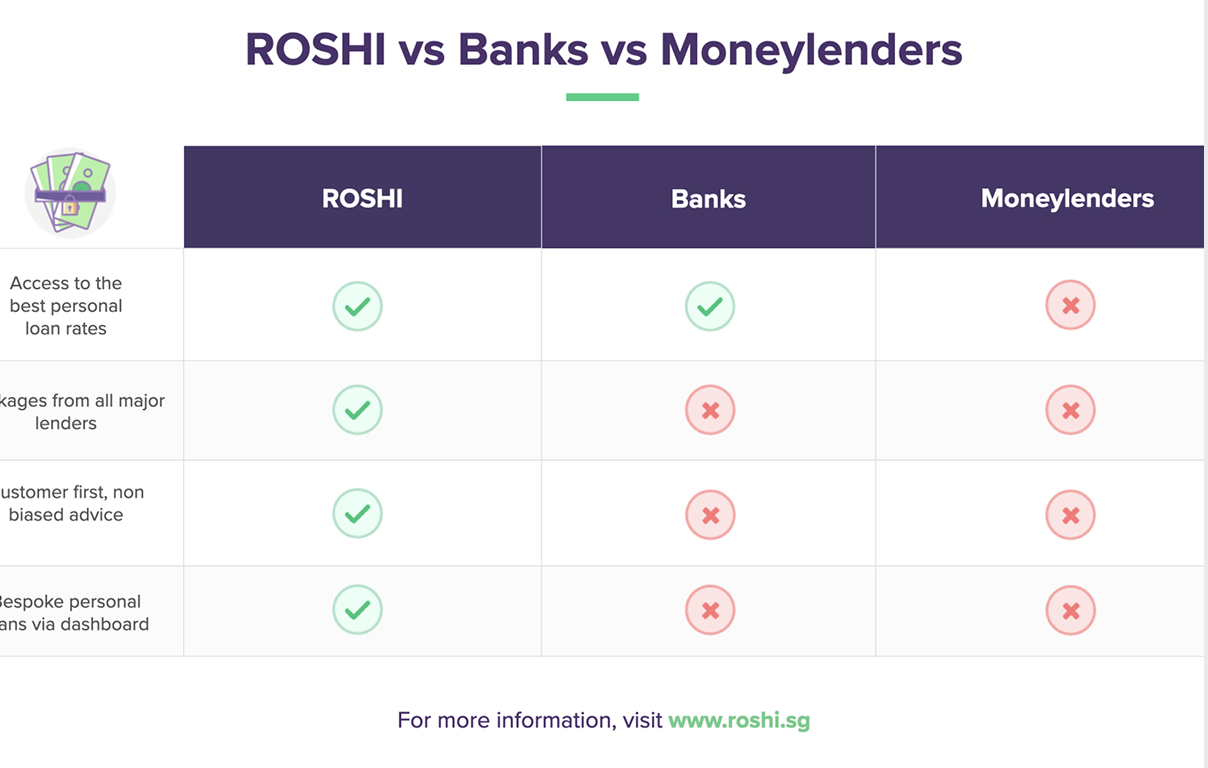
In September 2026 the low interest rate environment means some banks are more open to foreign borrowers with stable employment but the bar remains high. Most foreign workers still turn to licensed moneylenders where rates hold at ~3.8% monthly.
If your work pass is valid for at least another 12 months and your income is stable it is worth checking with banks like HSBC or Standard Chartered before approaching a moneylender. The rate savings could be 60-70% lower.
If you do borrow from a licensed moneylender keep the loan amount within one month's salary and align the tenure with your work pass expiry. Do not borrow beyond what you can repay before your contract renewal date by Trinh Thanh.
Foreign borrowers in September 2026 can still access regulated loans through licensed moneylenders if they have valid work passes and stable income. The key is to keep the loan amount realistic and the repayment period shorter than your work pass validity.
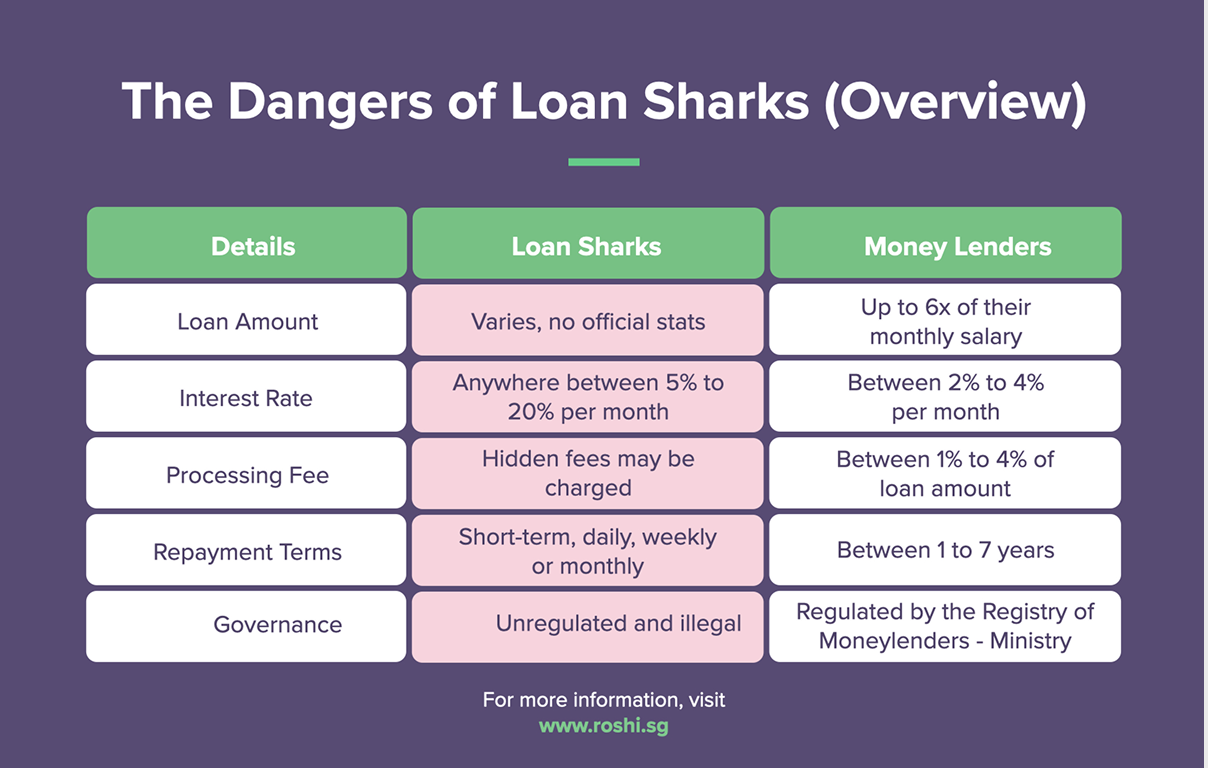
Have your employment letter, payslips and pass ready before applying. Avoid unlicensed lenders who target foreign workers with promises of easy cash.
Stick to the Registry of Moneylenders list and compare terms from two or three licensed lenders if possible. Responsible borrowing protects both your finances and your employment standing in Singapore.




![How to Improving Your Credit Score in Singapore? [Updated Information 2025]](https://stg.roshi.sg/wp-content/themes/roshi/images/new-home-page/expert/e9.png)